Featured

My Extreme Sports Journey Starts Now!

One of my biggest passions in life is extreme sports. More specifically, training for and competing in extreme sports events. The feeling of entering an extreme sports event, then going through the correct training process and finally competing in the event can be an exhilarating, exciting and scary experience all at the same time. Combined with this is my passion for travelling. Seeing hundred-year-old European architecture in one moment to seeing the modern age in another is inspiring. Having the opportunity to walk over glass bridges spanning hundreds of meters across massive gorges to wondering through forests that have existed for many years, hiking up mountains too high to comprehend, or visiting a long-forgotten mining town somewhere in the South African Karoo desert and indulging in the best cheesecake in the world is what dreams are made of. These are the amazing experiences only those courageous enough to dare to travel will ever experience.

I believe in my God-given passion to care about others and help people reach their goals. I am a sport scientist who loves helping athletes train and reach their goals. Whether it is being involved in the process of getting athletes ready for their next big event or just helping people lose those few extra kilograms; to teaching youngsters about healthy lifestyles and good living is what I live for. I cannot think of anything more satisfying than being a part of your personal journey, your success stories and learning the lessons that come from overcoming failures together. Helping people stay motivated until they become the best version of themselves is what satisfies a deep desire within my heart.

It’s these three passions of mine that have inspired me to start writing this blog.
● I want to share my experiences travelling to and competing in extreme sports events around the world.
● I will also share my advice to help you plan your next extreme sports adventure.
● Lastly, I want to help you optimise your training in preparation for these extreme sports events.
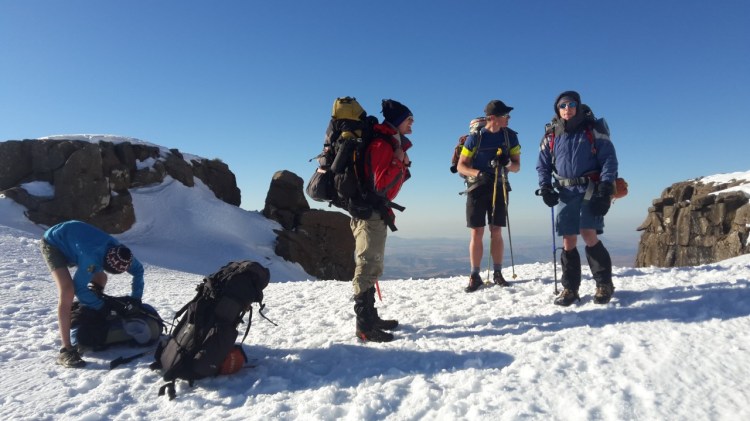
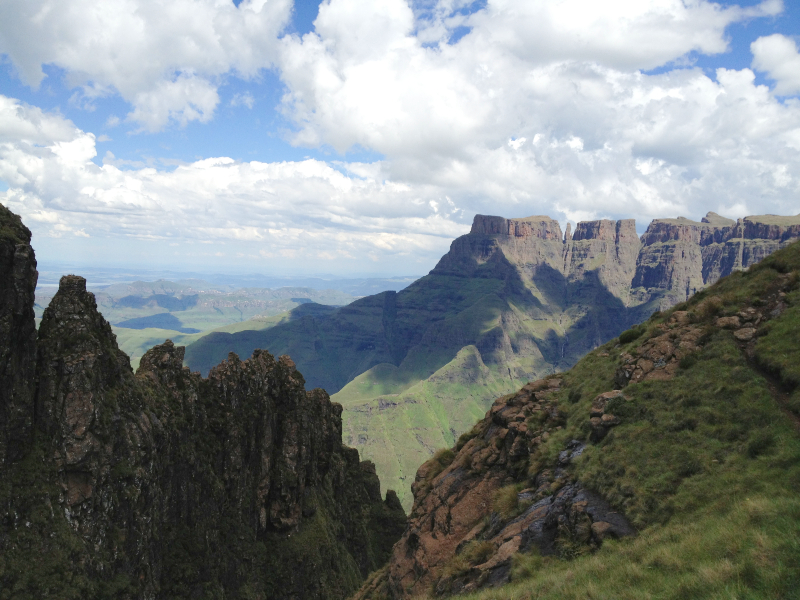
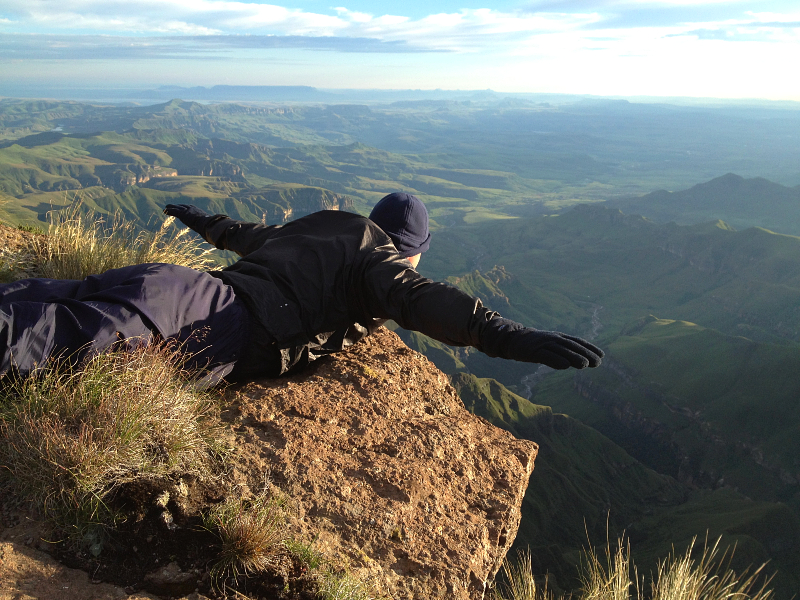
Hiking in the Drakensberg
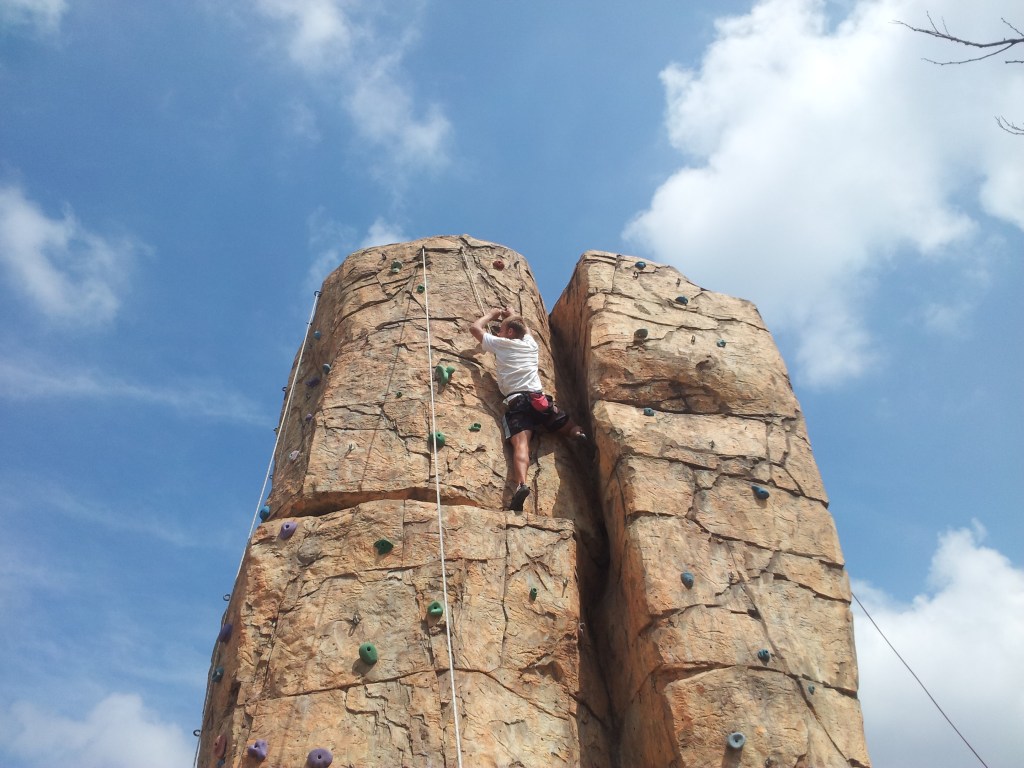
Rock Climbing

My experience
If you have ever been to a foreign country or a strange city you know just how easily your excitement can turn into overwhelming culture shock. Now, imagine having the added stress of getting to an event, on time, in this strange and unfamiliar city where you most probably don’t speak the same language as the locals who you need to rely on. It takes a lot of energy to navigate these new and unfamiliar surroundings. My blog can help guide you through these challenges by ensuring you are prepared for as much as possible. I will give you advice on important things to remember when planning your trip, what to expect and things you should avoid.

I would like my blog to inspire and guide you through the process so that you can confidently travel and compete in extreme sports events around the world. I will share my experiences with you in such a way that you will be able to draw from them and use them as a helpful guide as you prepare and plan your journey. I will tell you my story and share the emotions experienced during key moments of these events. I believe that sharing my personal experiences with you will give you a better understanding of what to expect and how to get the best out of your adventure.

About me
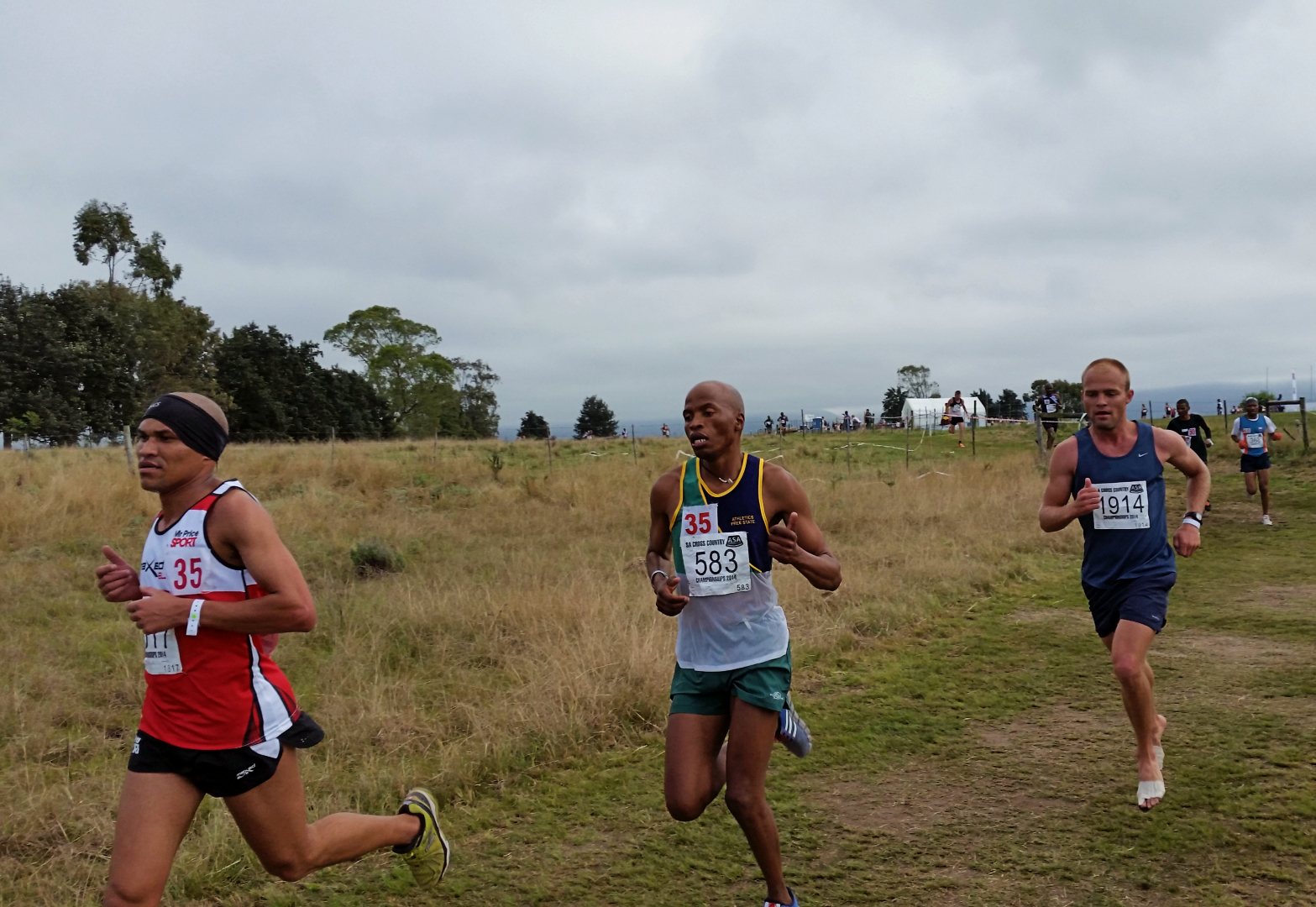
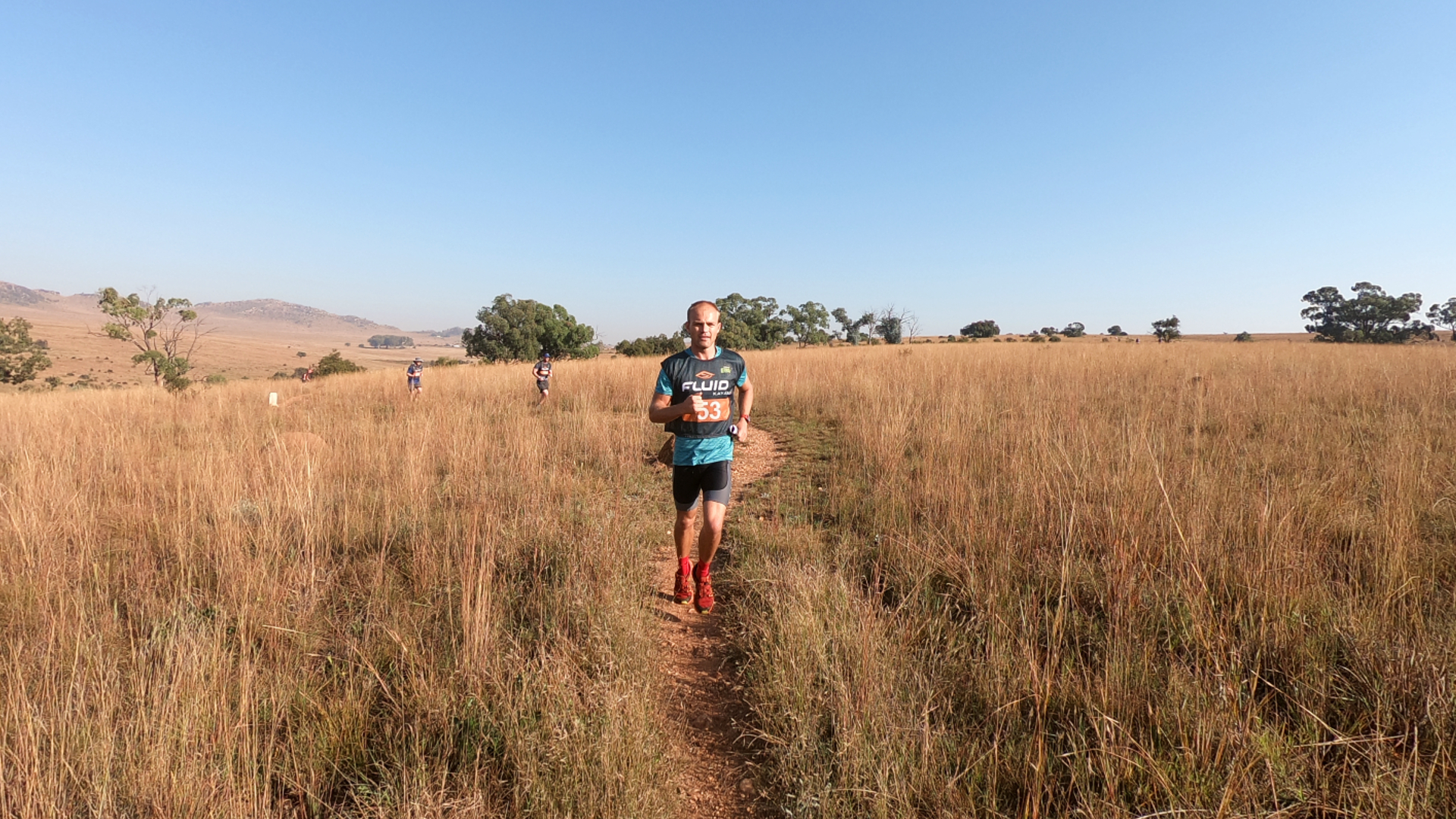
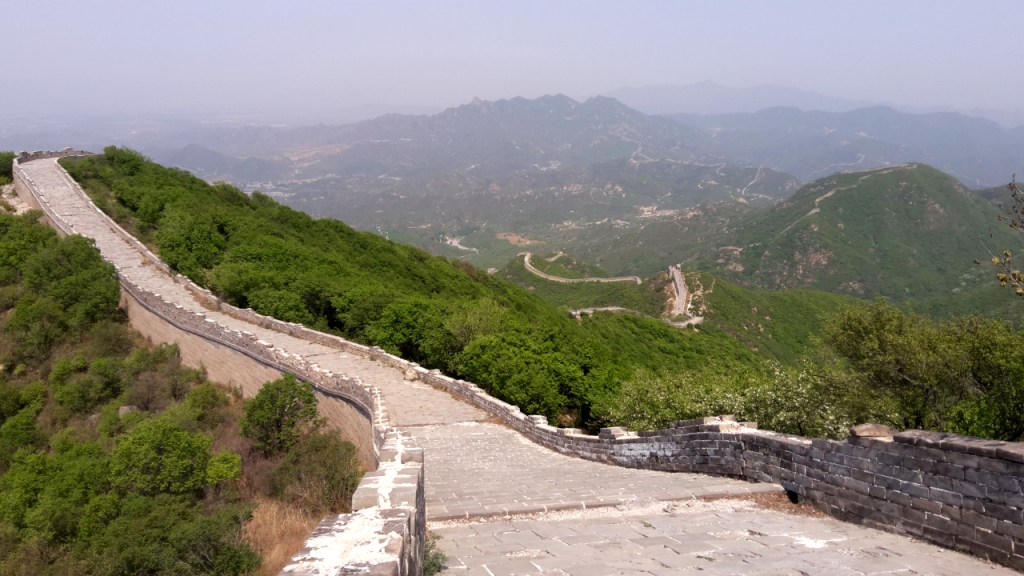
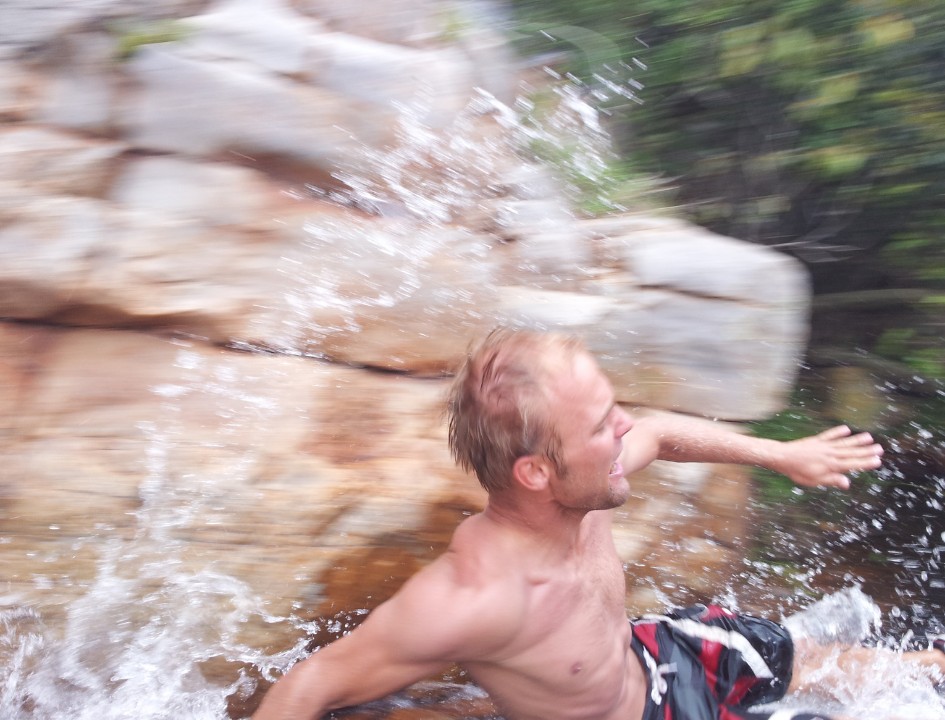
I have competed in some amazing extreme sports.
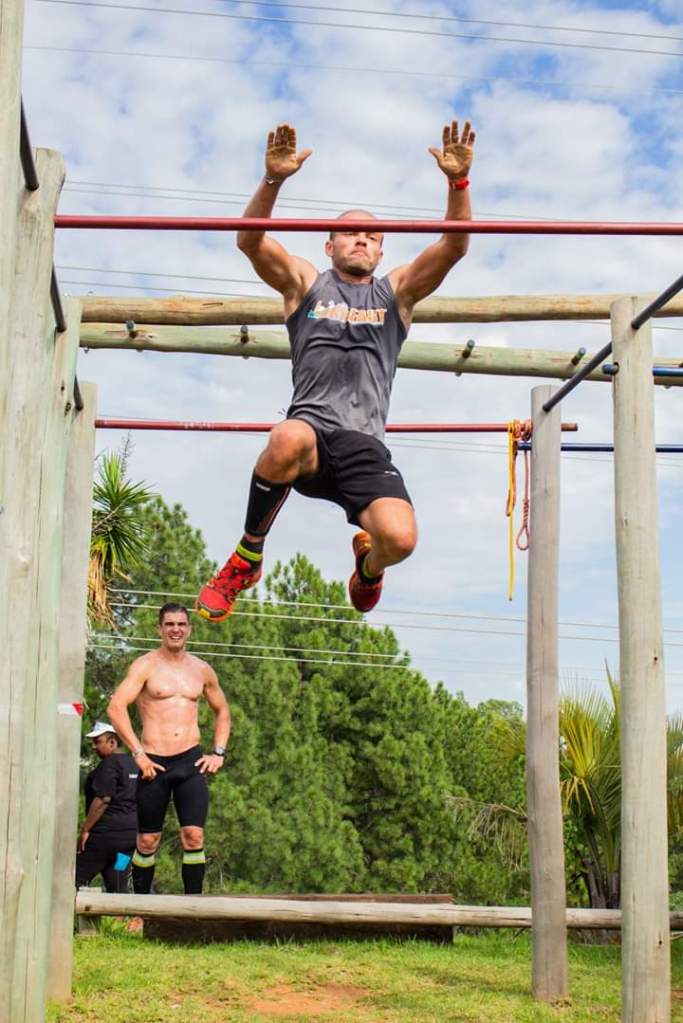
Obstacle Course Racing
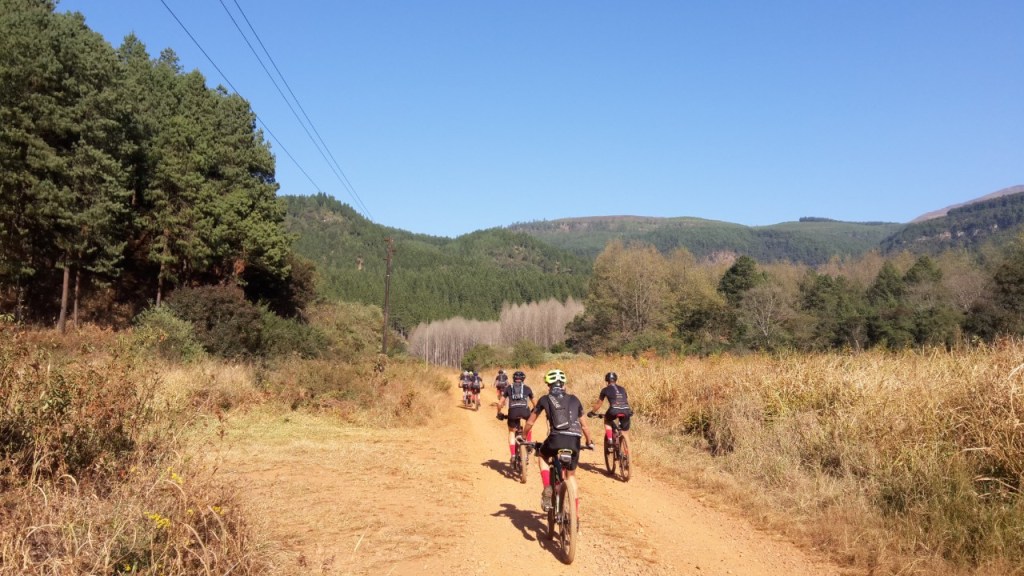
Sabie-to-Midstream Cycling Challenge
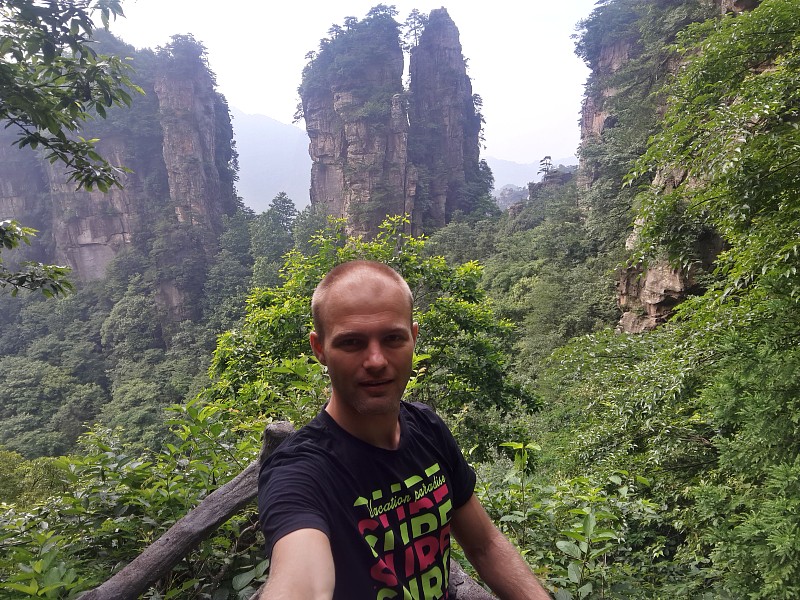
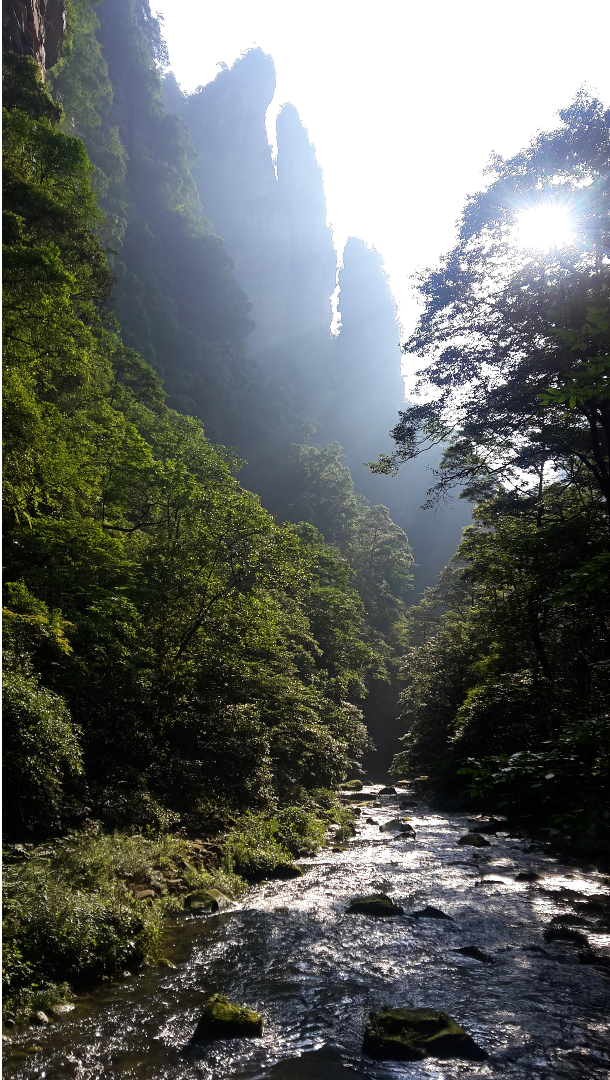
Hiking in Zhangjiajie National Forest Park
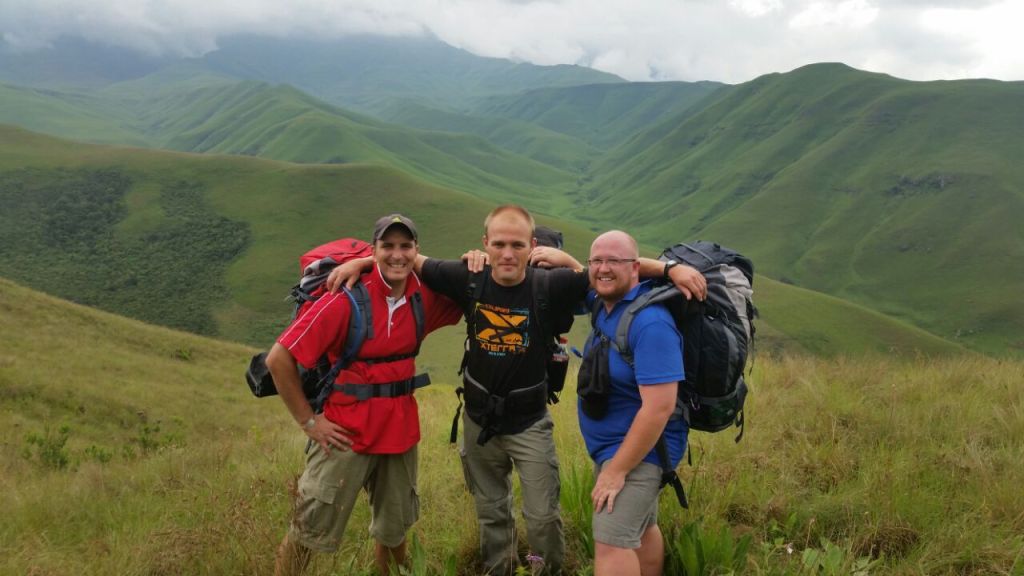
Hiking in the Drakensberg
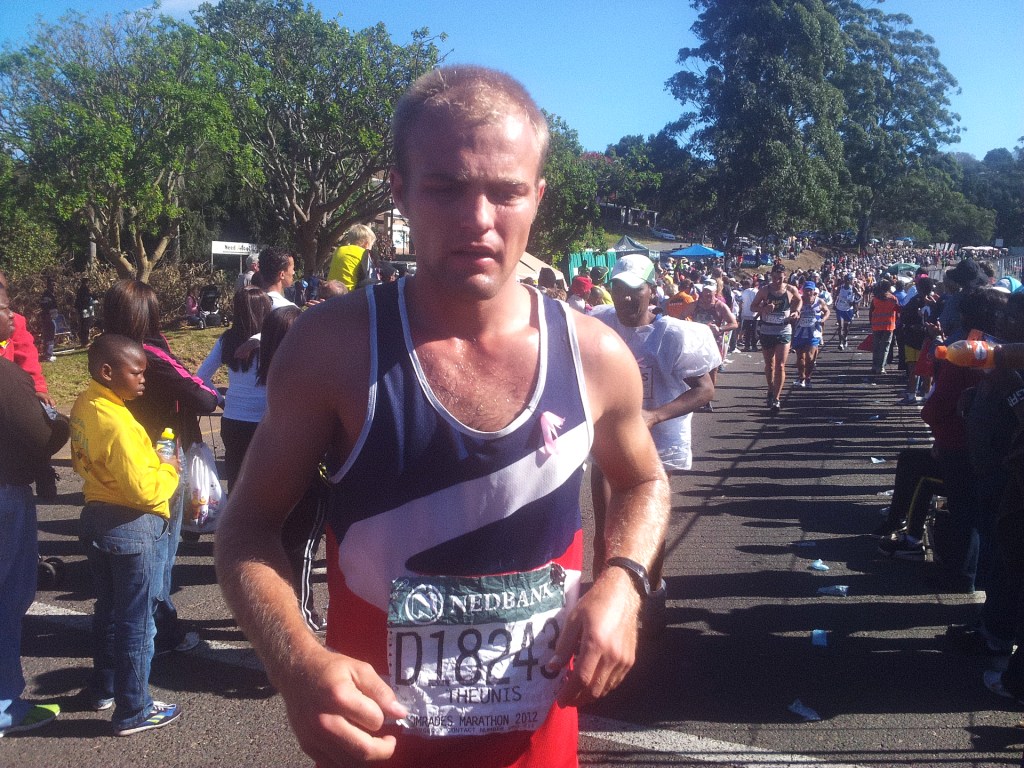
Running The Comrades Marathon

The training
I obtained my Master’s Degree in Sports Science in 2016. I intend to use my knowledge and expertise in Sports Science in this blog to optimise your training for your extreme sports event. Whenever I travel or compete in an event, I always wonder how people without the knowledge that I have will be able to do what I do. How can you make the dream of running a 36-kilometre marathon on the Great Wall of China a reality, or how will you experience the wonders of hiking up a mountain pass, pitching a tent on the escarpment, making food on a gas burner and seeing the stars of the Milky Way as white and crystal clear as you have ever imagined it before. How can you cycling the Cape Epic Mountain Bike race with the confidence that you are prepared and fit enough for it all?

In my blogs, I aim to provide you with basic training guidelines so that you can have a starting point as you prepare for any event. Having subscribed to my blog means that you will have access to my advice and experiences and I encourage you to leave your comments and questions below so that I can be your guide as you plan to successfully complete some of these epic bucket list events.

What’s to come?
I want to continue living my dream of travelling around the world, seeing amazing places and meeting magnificent people. I dream of participating in all kinds of exhilarating extreme sports events and hope that I can give you all the resources and inspiration through my experiences so that you too might participate in these extreme sports events.

I want to promote and participate in a variety of local events. Sharing my honest and personal experiences of these organised events to give feedback on the event and equipment used so that you can make an informed decision about whether or not it is the right event for you. An ultimate life goal for me is to grow my blog to vlog status on social media platforms like youtube. A crazy adventure channel filled with friends, fun, competitive antics and awesome extreme sports events.

If you are interested in reading more about my experiences or want to compete in extreme sports, please follow My Blog. Subscribe to the mailing list and you’ll be notified as I post new content starting with The Great Wall of China Marathon.

May your day be filled with adventure my fellow extreme sports travellers out there!
A Secret Hike through the Zhangjiajie National Forest Park

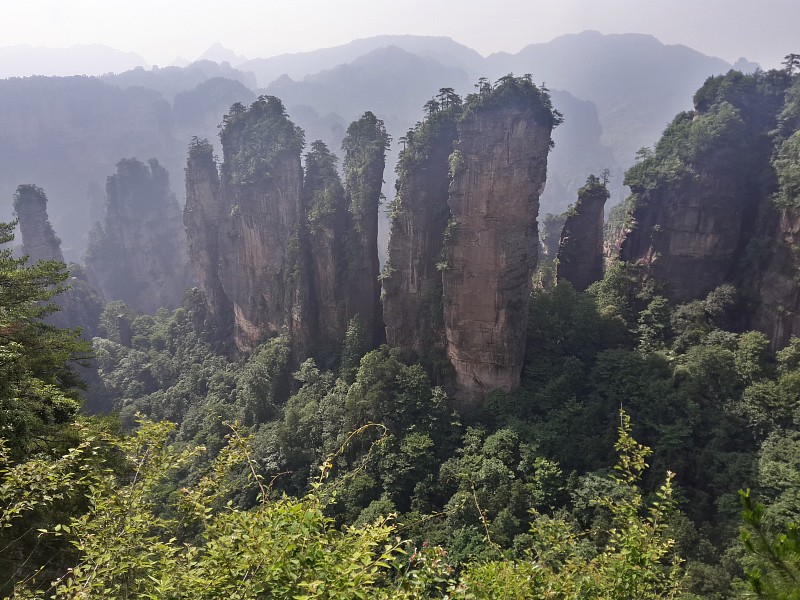
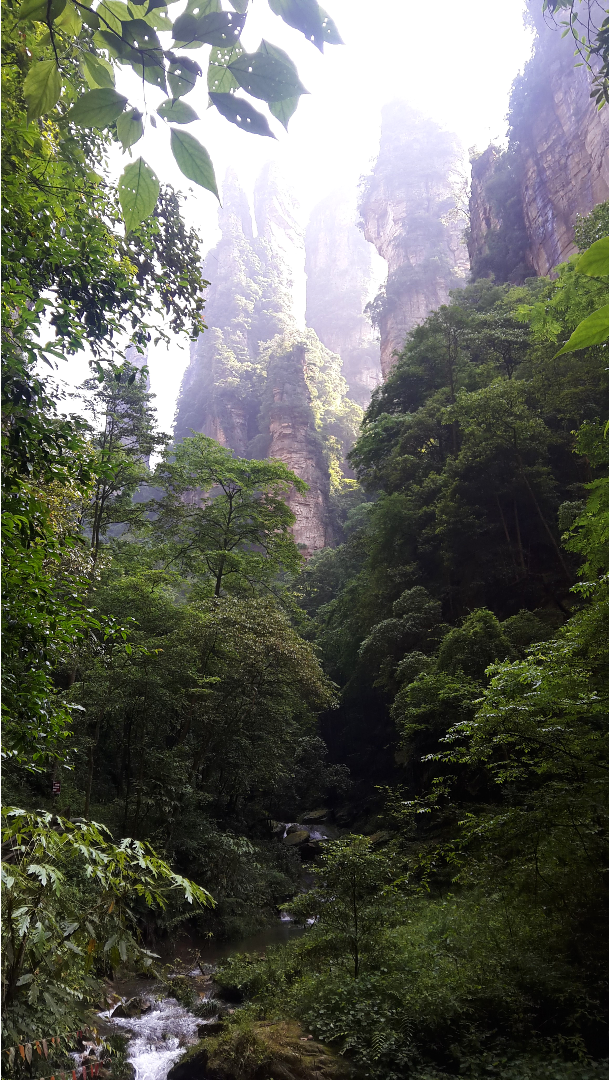
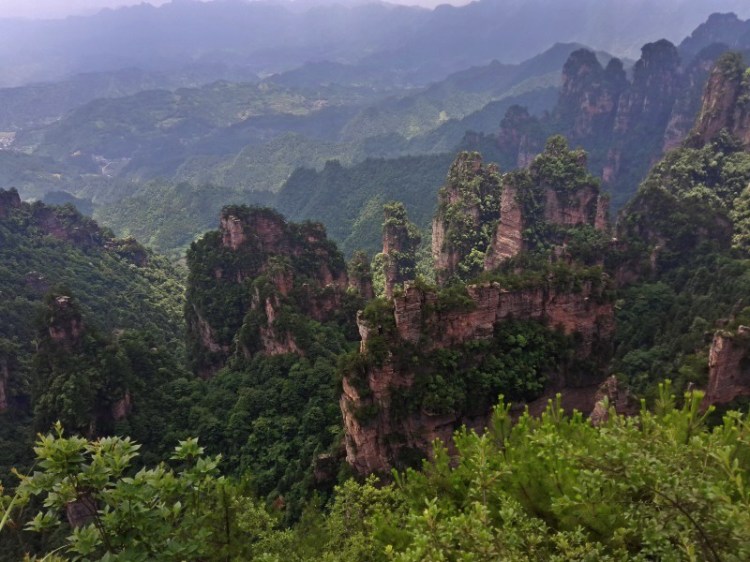
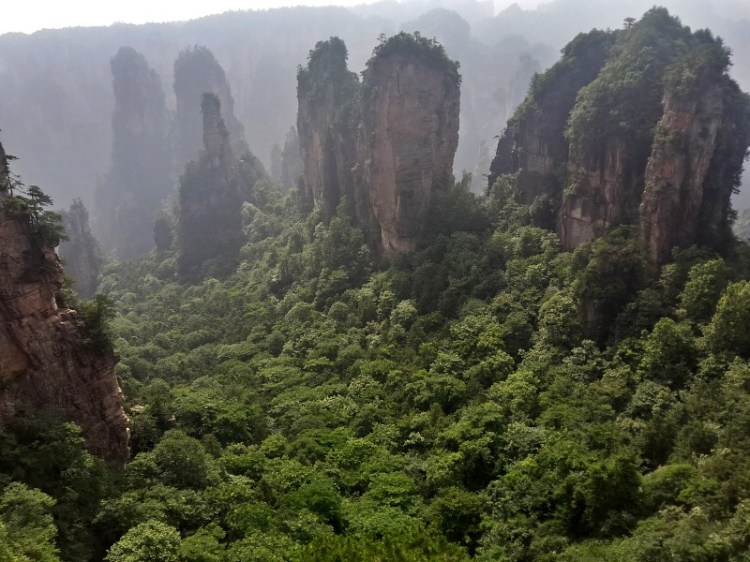
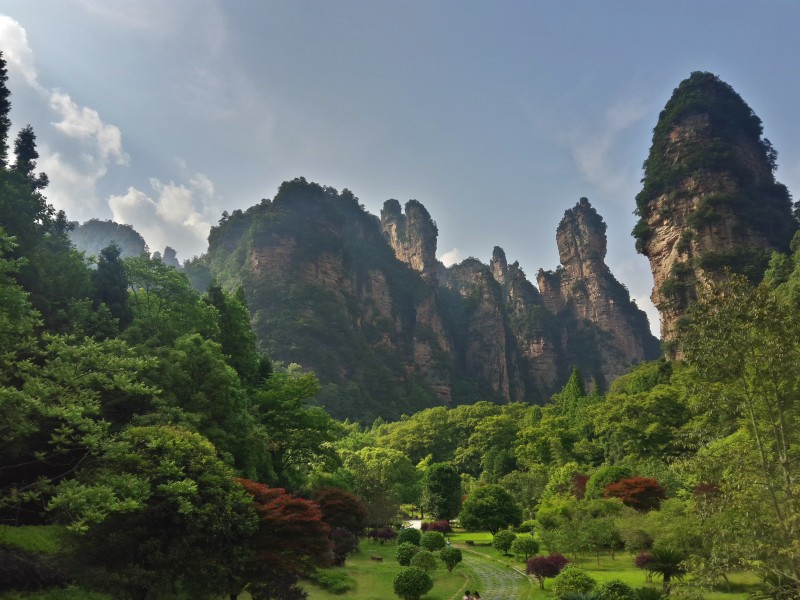
I am so excited to write this blog because I am confident that this post will inspire you to seek out the truly unique experience that is the Zhangjiajie National Forest Park. Visiting the park was one of the most wonderful and memorable experiences of my life. The park is located in the northwest Hunan Province of China, next to a beautiful little town called Wulingyuan. You can access the park from various entrances. The main entrance and eastern entrance is situated next to Wulingyuan town. The western entrance to the park requires you to take a 30-minute bus ride from Wulingyuan bus station. One of the amazing features of the Zhangjiajie National Forest Park is the vertical sandstone pillars. There are over 3000 of these pillars, stretching hundreds of meters vertically into the sky, covered in a dense sub-tropical rain forest.

Firstly, I am going to share my guide to hiking through this park, I am the ‘Extreme Sports Traveller’ after all. If you are not a hiker, don’t stop reading now. This is such an exciting trip that I know you will enjoy reading about it. The park provides tourists, of all fitness levels, an opportunity to see the wonder that is Zhangjiajie National Forest Park. As a tourist, you have the option of taking a cable car up to various scenic spots. You can also make use of a tour guide or join a tour group. My advice to you, however, is to rather explore the park using the map as your guide and not make use of those options. I was able to discover parts of the park that tourists are not usually taken to see on these guided walks.  If I’d used a tour guide, I would never have gone off on the small side paths, indicated on the map, to discover an area of the park no tourist had ever seemed to visit. Taking a self-guided hike through this park is truly the only way to experience the natural beauty secretly hidden behind all those man-made things in the park.

The best time to explore

The Zhangjiajie National Forest Park is a major tourist attraction and can easily become overcrowded, so you can imagine that choosing the best time to visit is a crucial step to making the most of your experience. The best time to visit the park is around the summertime and off-season period. Though snow covered mountains are beautiful, the real magic of this place lies in hiking next to beautiful sparkling streams and walking through the amazing rainforest, where the trees seem to  disappear into the sky. Hiking up thousands of steps carved into the mountainside to find yourself emerging among thousands of sandstone pillars which shoot up from the forest floor is just a sight words cannot describe.

The park covers a massive 243 square miles, so it is essential to plan each day in advance. It is possible to visit all the scenic spots in two days. You will have to be content with using the elevator (cable car) and being bombarded by thousands of bustling Chinese tourists all trying to get that perfect picture by any means necessary. As the ‘Extreme Sports Traveller’ this is obviously not my recommendation for you. To get the full magical and mystical experience this beautiful place has to offer, I recommend you plan a 3-4 day stay. This way you can explore various scenic areas, miss all the tourist groups and still be back in town every afternoon to enjoy a well-deserved beer with your fellow hikers.

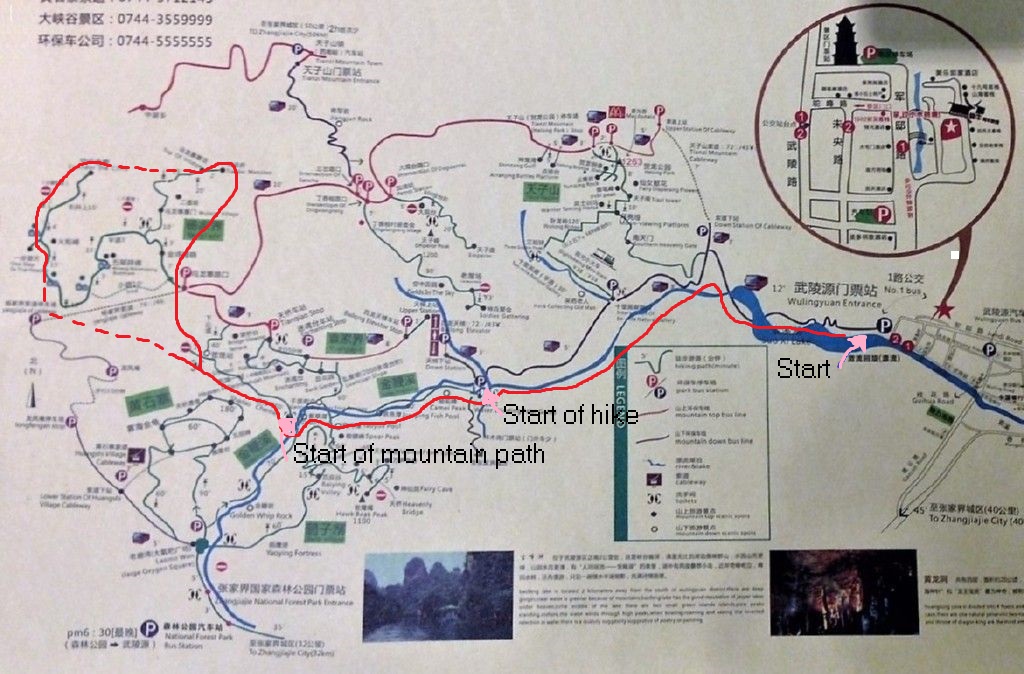
Maps You can buy a map at the park entrance or in town, but most maps are focussed on the tourist spots and seem inadequate as a guide to explore this awesome park. I searched the internet and bought a few, but there is only one map that gives a detailed representation of all the hiking paths, bus routes and scenic spots. I took a picture of my map which I will use as a reference when explaining the hikes to you in this blog. You can buy this map for RMB 5 at Zhangjiajie PeakCap Backpacker Hostel.

zhangjiajie-park-map
Best map of the park

Day One

On day one I did the most hiking, but it was the day that took me to the most beautiful and secluded areas in the park.  If you are not fit or haven’t got some hiking experience, my suggestion to you would be to skip the hike through the unmarked area on the map, hike up to the Yuanjiajie Scenic area bus stop, and take it to the last viewpoint I visited on day one. I hiked for hours on day one and encountered thousands of steps which led me up and around the mountain side to some of the highest sandstone pillars in the park. Needless to say, this is a tough hike.

Raring to go and excited for the day, I arrived at the park entrance at 7 am. Arriving early and as the gates open will ensure that you maximise your time in the park before the streams of tourists overcrowd the park. The main entrance (eastern entrance) is on the western side of town in Vuling road, next to the river. I purchased a ticket, which cost RMB 248 and is valid for three days. All the buses shuttle tourists for free and stop off at the parks popular landmarks, where you can choose to get off, hike up the mountain or take the cable car up. Once on top of the mountain, there will be more busses that can shuttle you to the other scenic spots on the mountain. Make sure to check the bus schedule so that you don’t miss the bus returning to the main entrance at the end of your day. One of the parks treasures, safely tucked away and waiting to be explored by those who dare to walk further along the path and leave the bustling tourists behind, is the Golden Whip Brook. This is a good place to start hiking on day one and you can show one of the bus assistants your map and request to go to the Golden Whip Brook stop. This stop is the second stop and the drive should take about 20 minutes. I noticed that there was one way to distinguish the camera happy tourist from the inspired hiker. Camera happy tourists always turned back around and never strayed far from the scenic spots leaving the unexplored beauty of the park to the inspired hiker to hike in peace. Tourists enjoy the convenience of the cable car and Extreme Sports Travellers enjoy the road less travelled.

The golden whip stream

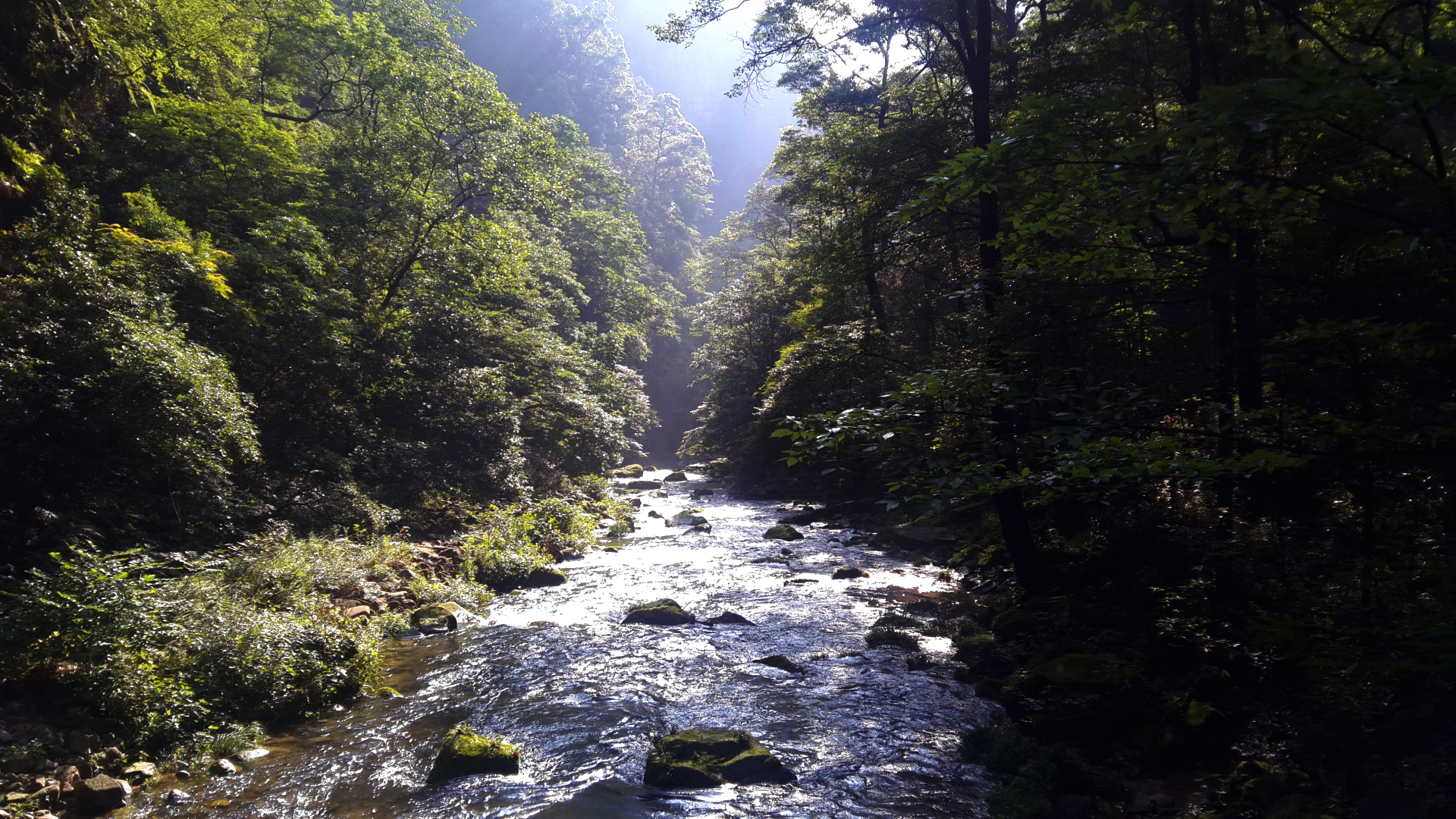
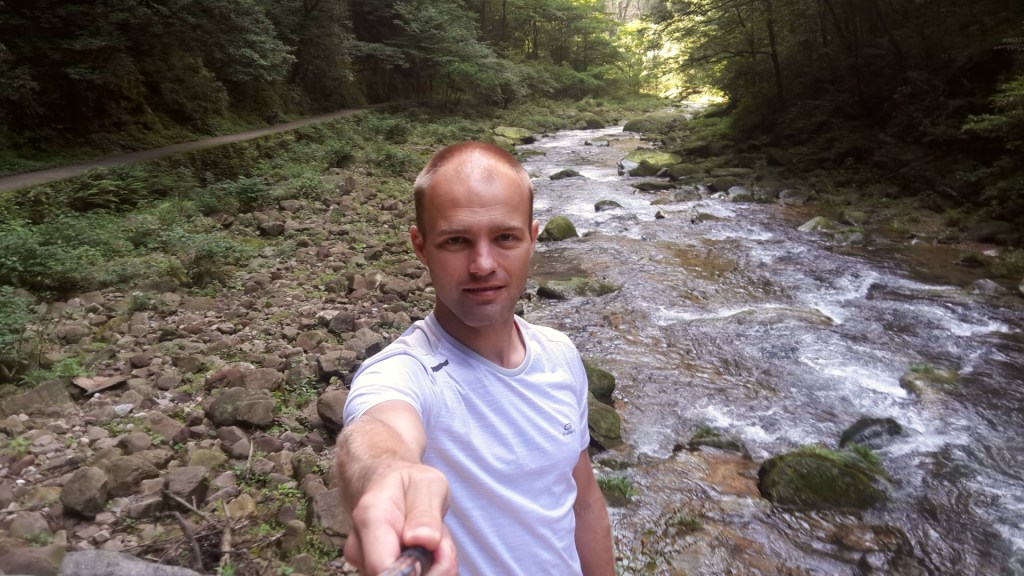
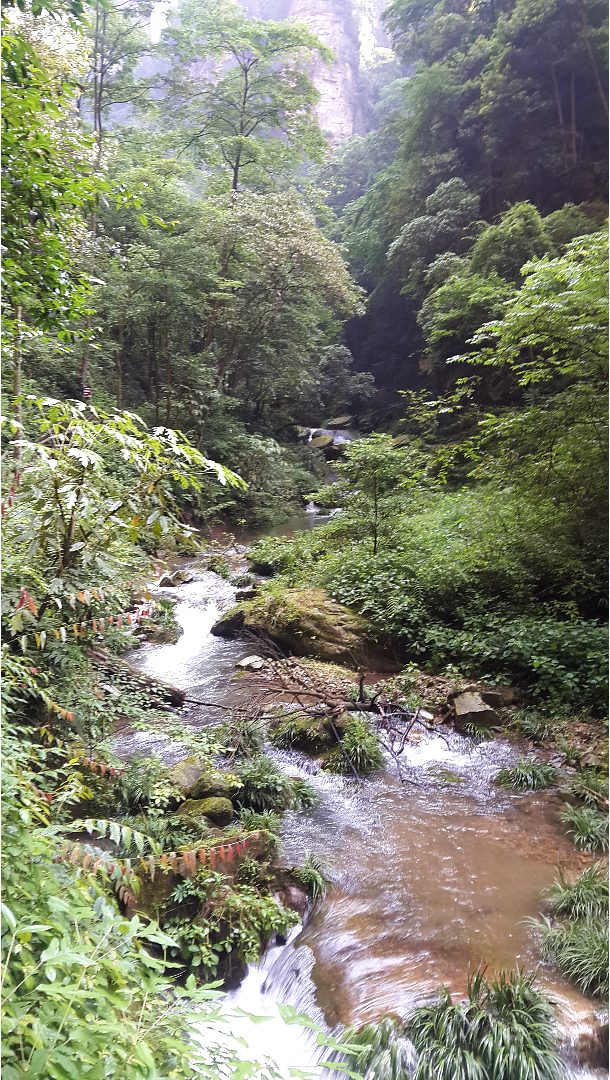
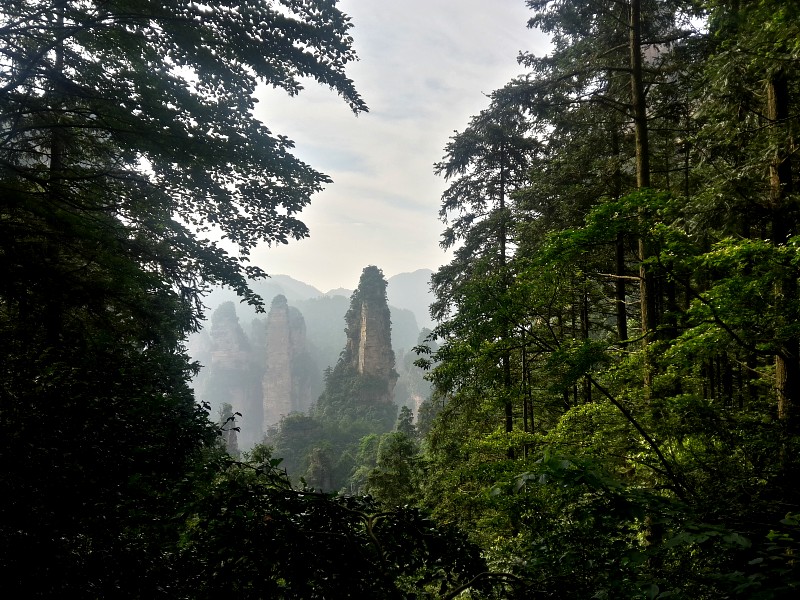
My theory was once again proven right as I started the Golden Whip Brook hiking path with four other tourists and after 500m they all turned back around, leaving this overjoyed Extreme Sports Traveller to hike in peace. It wasn’t long before all the noise, shouting photographers and clicking cameras disappeared and I felt like I was the only one in the park.  The Golden Whip Stream is a 7.5km hike and will take you all the way to the western entrance of the park.  Hiking along the Golden Whip Brook path was the most breath-taking experience. The path follows a crystal clear stream and winds through the rain forest. Finding myself at the foot of the mountain, hearing the wind blowing through the trees and the rustling leaves, topped off with the magnificent sandstone pillars extending straight up into the sky for hundreds of meters, made me feel like I had been transported into another world. This is a place that overwhelms the senses and around every bend, there is something new that would take my breath away. It truly is a photographer’s dream.

The Golden Whip Stream
Sandstone pillars through the forest

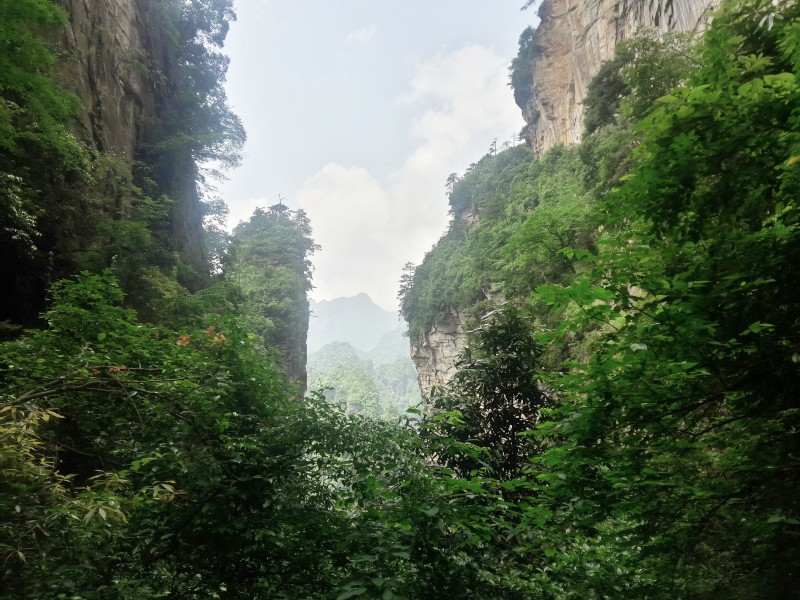
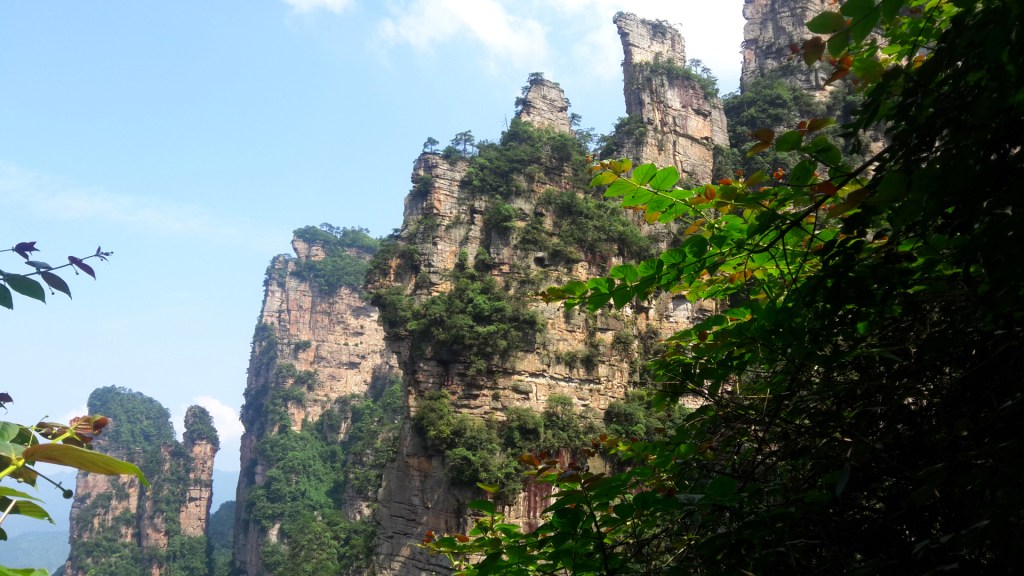
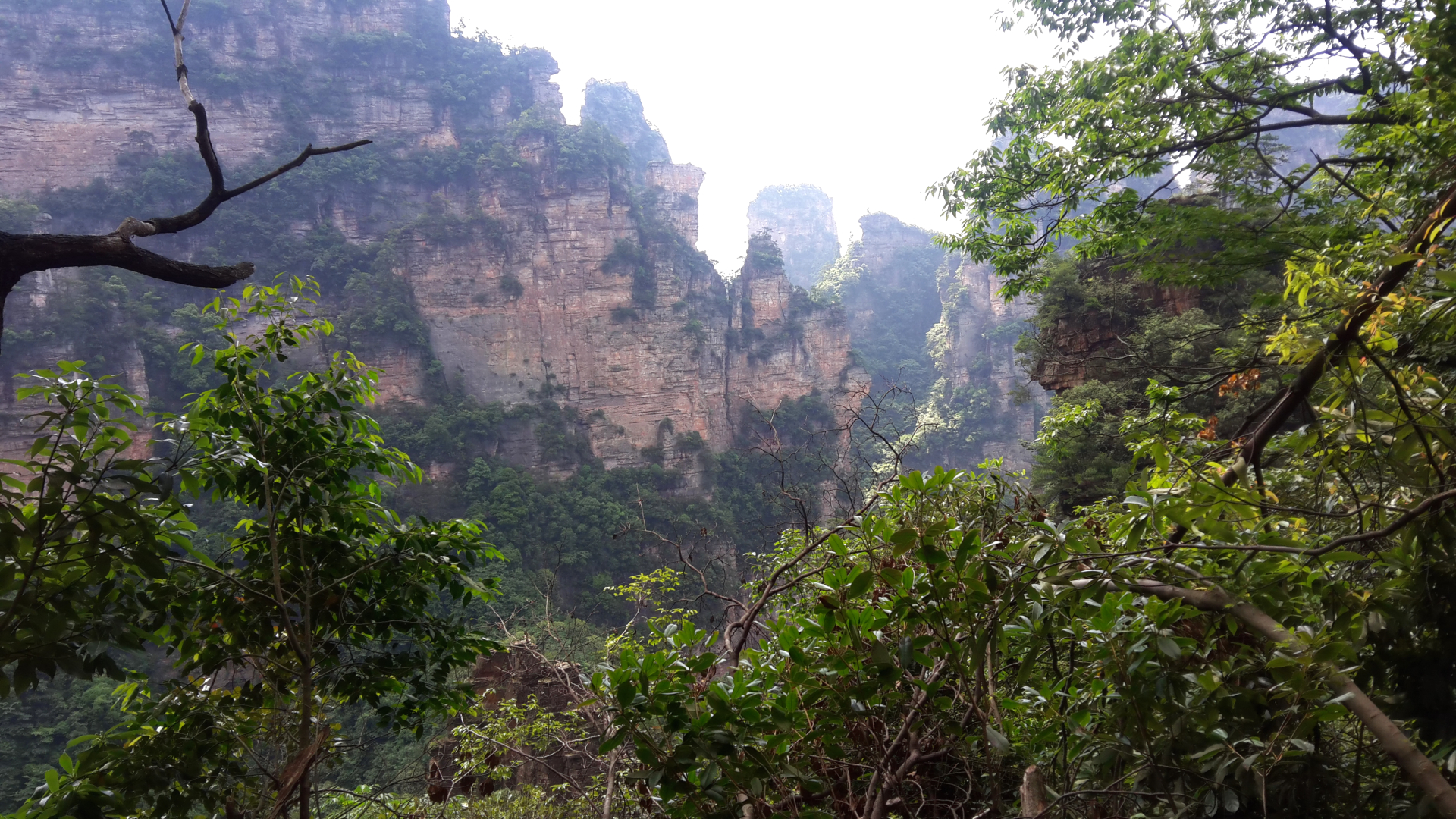
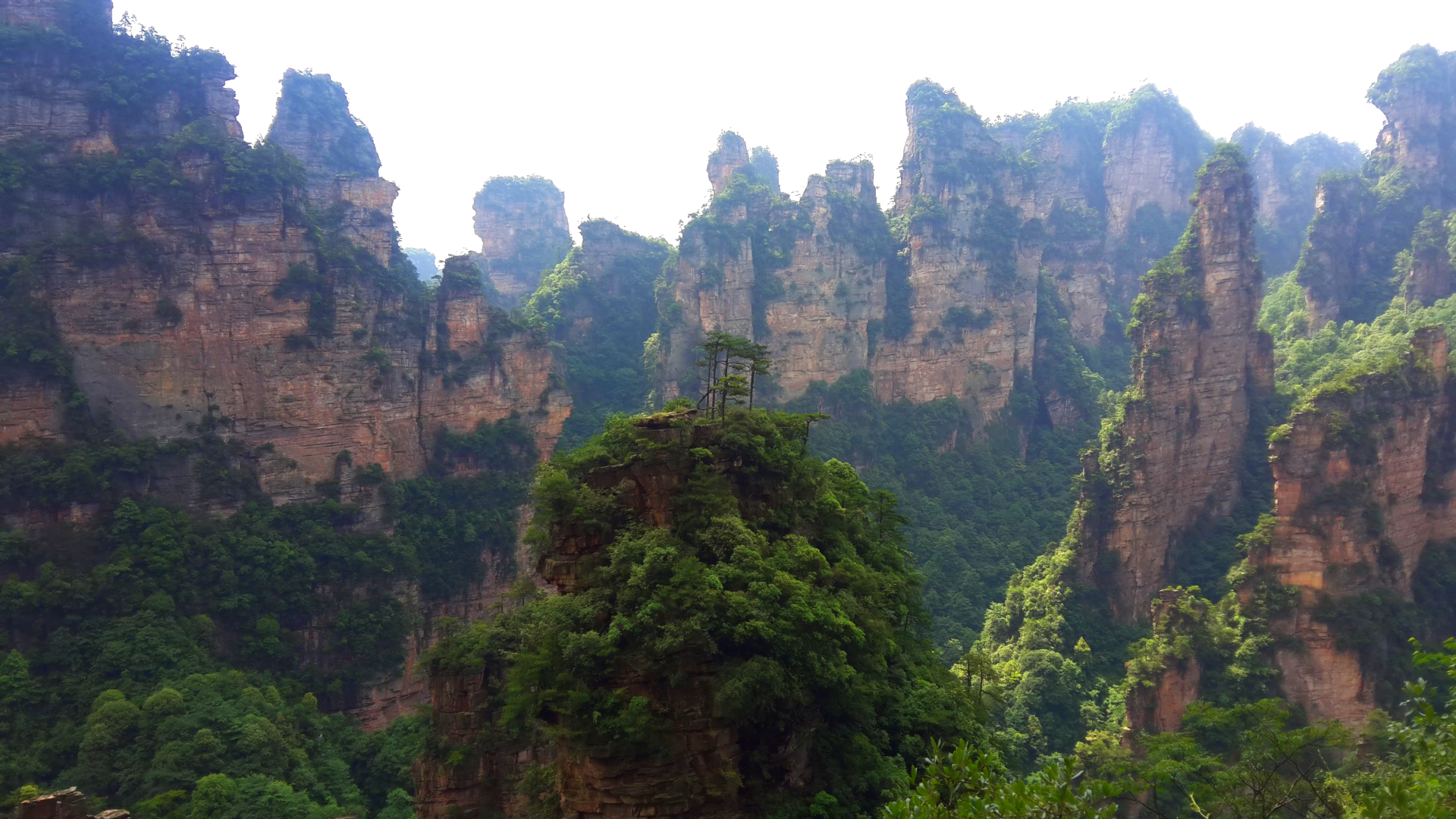
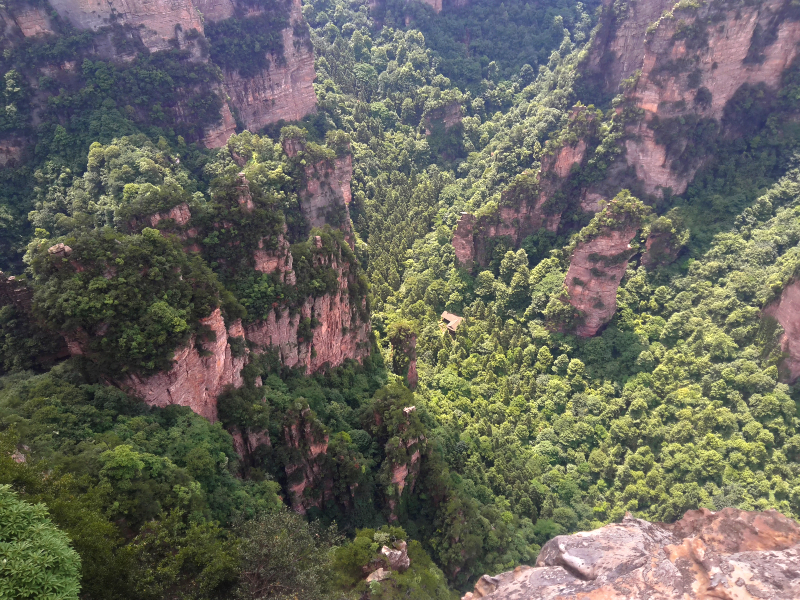
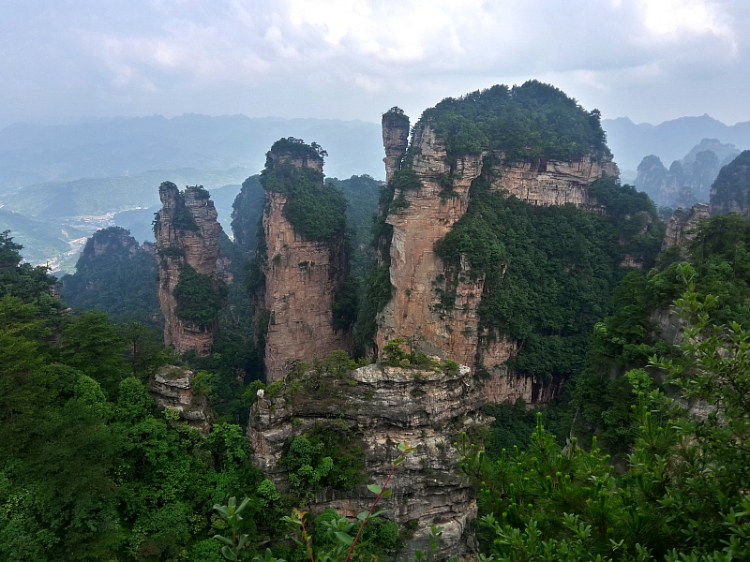
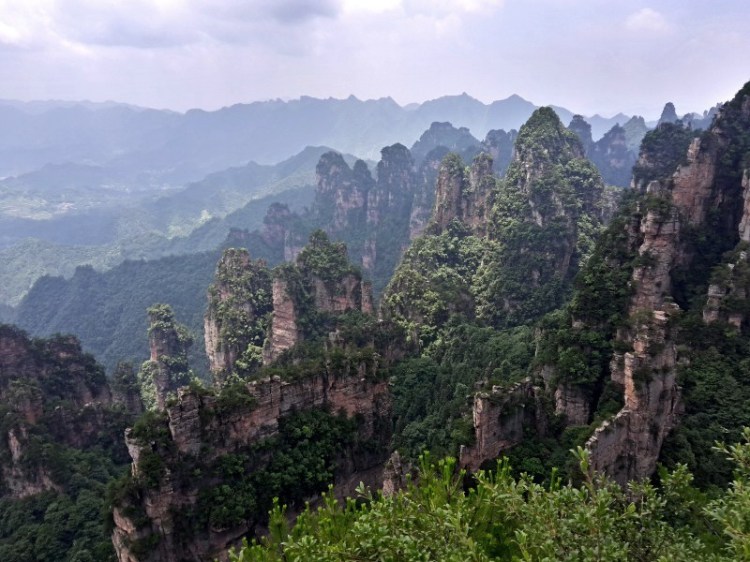
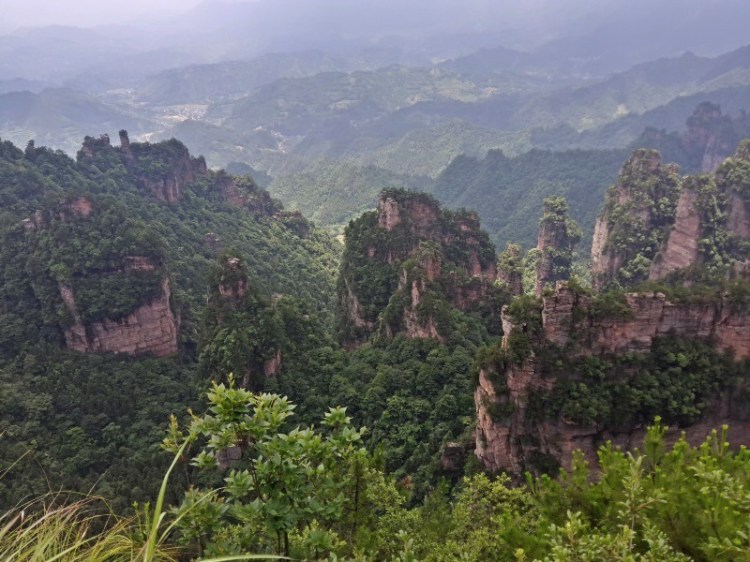
The path to turn off to the Yuanjiajie Scenic Area, better known as ‘Avatar Mountain’, comes after about 3 km of being on the Golden Whip Brook. The path is hidden behind a fountain bubbling out of a natural rock wall and if you don’t look closely you will miss it, as I did. I didn’t worry too much about this because I knew that I had only planned to take that path on day two. I continued on andI passed the Zicao Pool. About halfway up the Golden Whip Brook path, I found the turn-off to my final destination for the day, called the “meeting of a thousand ways” (I have marked it on the map). This spot is marked by a big restaurant and various souvenir shops which could be a nice spot to stop and have a few refreshments before continuing on. Before reaching the turn-off spot, I first had to cross a beautiful bridge after which the path took me through the forest at a steady incline and after about 2km I came upon a t-junction. This spot is noticeable by an old western style house on your right-hand side. The path that leads to the left has a sign that indicates that there is a dead-end ahead. The path leading to the right will take you to the road and back to the Yuanjiajie Scenic Area (If you are not an experienced hiker take the path to the right). Naturally, the explorer inside of me wanted to see where the path to the left leads, and that’s exactly what I did. I expected the path the end after a few hundred meters, but it didn’t. It kept going on and on and after each hill I crested, I told myself that I would turn around and go back.  How could I do that when, with each turn, the scenery just became more and more breath-takingly beautiful. After cresting yet another hill I found myself standing on the edge of a ledge hundreds of meters high. In front of me was a chasm filled with sandstone pillars as far as the eye could see. The amazing thing was that I was only half way up and I could see the path leading around the chasm and up the other side. I could see the pillars extending further and further into the distance as they continued to ebb and flow into what seemed like eternity.

Halfway up the pillar
Sand-stone pillars through the forest
Avatar mountains
Avatar mountains
Avatar mountains
Avatar mountains
Avatar mountains
Avatar mountains

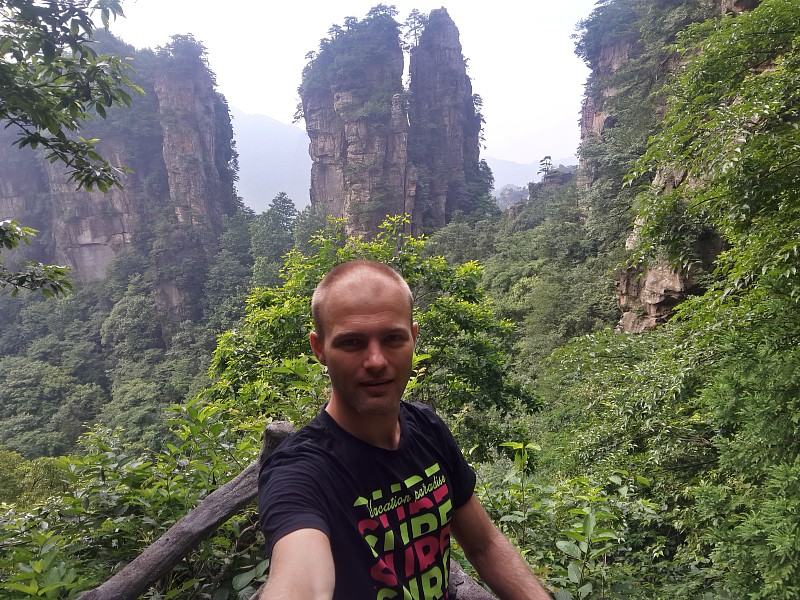
It was clear that I had reached the point of no return. If I decided to keep on following the trail, I might walk for miles and risk sleeping on the mountain. The Extreme Sports Traveller in me wanted to reach the end of those never-ending structures more than anything and the risk of sleeping on the mountain was not going to stop me. So I pressed on and what a great choice that turned out to be. I found myself in the midst of these tall magnificent structures. To one side of the path, a massive chasm filled with sandstone pillars and on the other side, I was scraping my shoulder against a wall of sandstone as I continued to walk up the path. The path kept going up and up, taking me from one pillar to the next until I reached a viewpoint on top of the highest pillar. I was tired and out of breath to say the least, but it was one of the most beautiful sights I had ever seen. I spent some time here, relaxing and enjoying the freedom of being on top of the world.  It turned out that I had passed a path, about 100-meters back, which zig-zags over the mountain leading to another tourist scenic spot and a viewpoint on the most north-western side of the mountain. I realised that I had just hiked from the most eastern side of the park all the way to the other side. I followed this path to the lookout point which was beautiful, but incomparable to the beauty I had just discovered moments before. After that, the path led me down, through a smaller subtropical forest and to the bus stop that would take me back to the Golden Whip Brook trail. My advice would be to make sure that you get off this bus before you reach Yuanjiajie Scenic Area so that you can take the path down the mountain and back to the Golden Whip Brook bus stop. From there you can take a bus back to the park entrance. 

The forste far below me
Me on top of a sand-stone pillar

That first day I spent in the park was one of the best hiking experiences I’ve ever had, and I recommend this day hike to any person who likes hiking and experiencing Mother Nature at her finest. It truly felt like I had spent the day in the Garden of Eden.

In my next blog, I will give you the perfect hiking routes to discover on days two and three of your stay at the Zhangjiajie National Forest Park.

Training for the Great Wall of China Marathon

Training for the Great Wall of China Marathon (GWCM) differs greatly from your ordinary marathon training program. Ordinarily, marathon training focuses on building an aerobic (endurance) fitness which you acquire from training on flat or hilly roads, followed by speed endurance and muscle strength training. Training for the GWCM involves a lot more stair climbing runs and running on mountainous terrain. This is called race specific training and it is essential for marathons of this kind, especially if you want to finish the race and even more so if you want to finish the race with a good time.

As I mentioned in my previous blog, there are two Great Wall of China races to choose from. The first one, called The Great Wall Marathon, is partly run on the wall and then takes you on a trail route through the lower valley and small villages. This means that you will be running up and down thousands of steps on the wall, as well as on long stretches of flat and hilly dirt roads. Your training program should thus incorporate both flat and hilly trail runs, as well as steep hills and stair training.

The second race, called The Great Wall of China Marathon, is run exclusively on the wall. This means that you will be running up and down thousands of steps with short rolling inclines and declines. The biggest part of your training program should focus on steep hill and stair training.

Small village near Beijing
Steps on the Great Wall

Intensity
During this training program, I will use training zones as an indication of training intensity. Training zones are measured as a percentage of your maximum heart rate (HRmax). These are the five generally accepted training zones:

Zone 1: 55 – 65 % HRM
Zone 2: 66 – 75 % HRM
Zone 3: 76 – 90 % HRM
Zone 4: 91 – 95 % HRM
Zone 5: 96 – 100 % HRM

During this training program, the intensity (training zones) will start off low and will increase as you progress through the program.

Training Volume
Your training volume is measured as time trained per week. At the start of the program you will train 3-4 days per week and this will increase to 5-6 days per week. Once you hit the peak of your training program the training volume will decrease as you get closer to race day so that you will be at your optimum performance level at the time of the race.

Stair climbing
Including stair climbing into your program is essential because it is very specific to what you will encounter during the race. Do some research into where the best place will be for you to train stair climbing. Consider using the flights of stairs in your apartment building or trail routes that have steep hills.

Mountain trail running
Running on mountainous terrain with steep, uneven and rocky surfaces will help simulate the stress that your legs will experience when running up and down thousands of steps during the GWCM. Chose mountain paths with natural steps so that you are forced to step or climb up and down these rocky paths.

Training camp at altitude
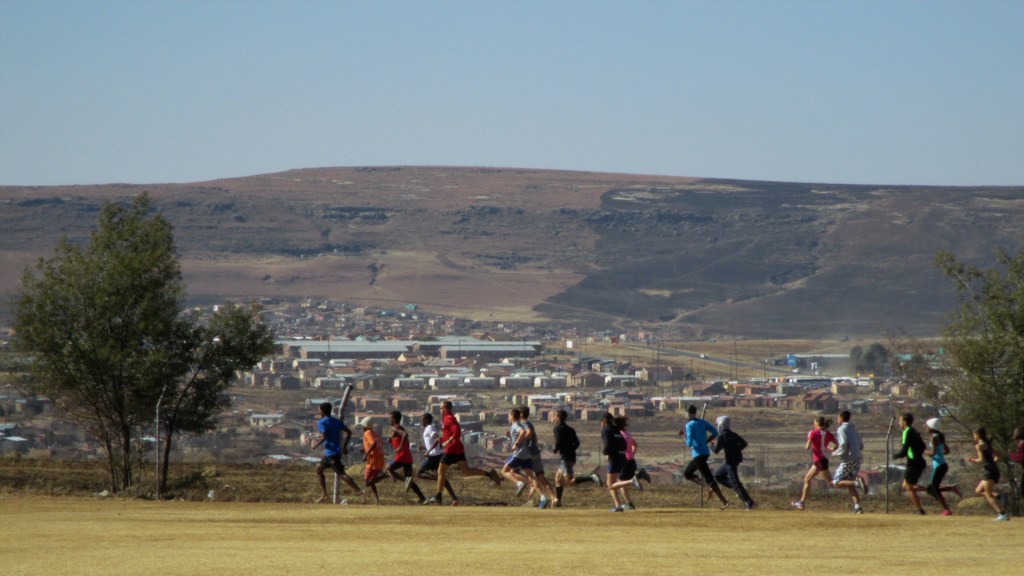
Group Training
Group Training

The training program
The training programs for these two marathons differ slightly. If you are doing the Great Wall of China Marathon then you must include a lot more stair climbing and mountain runs and into your program. If you are an inexperienced runner you should start your training program 6 months before the race. If you are an experienced runner, you can start your training 4-5 months before the event.

Month 1:
Your main focus during this month should be to build an aerobic fitness base. This is done by doing long slow distance (LSD) runs in training Zone 2. Your training volume should be between 195 and 210 min per week and you should train 3 to 4 days per week.

Day 1: LSD training
Zone 2
45-minutes

Day 2: 1 km loop with long hills
LSD pace
Zone 2
Select a long hill (200m – 400m) with a gentle gradient of 5 % and do 6, 1km loops.

Day 3: Rest

Day 4: LSD training
Run in Zone 2 for 20-minutes.
20-minutes stair climbing workout.

Day 5: Rest

Day 6: LSD training
Zone 2
60-minutes

Day 7: Rest

Month 2:
The main focus of this month is to improve your aerobic fitness and start incorporating pace/tempo runs into your program. Your training volume should be between 255 and 280 min per week and you should train between 4 and 5 days per week. You should also make sure that your LSD runs are race-specific by running on mountainous terrain. Remember to incorporate stair climbing sessions.

A very important aspect to consider during this month is to include an active rest week. During an active rest week, you should decrease your training volume, but keep the intensity the same. You can also include cross training that should include rowing, cycling or swimming.

Day 1: Rest

Day 2: LSD training
Upper levels of Zone 2.
50-minutes
.
Day 3: 1km loop with long hills in mountainous terrain
LSD pace
Zone 2
Select a long hill (200 m – 400 m) with a gentle gradient of about 5 % and do 6, 1km loops
45-minutes

Day 4: Pace/tempo training
Run for 10-minutes at the lower end of Zone 3 and then do a 3-minute recovery run in Zone 1.
You should repeat this for 30-minutes.
20 -minutes of stair climbing workout.

Day 5: Rest

Day 6: LSD training
Upper levels of Zone 2.
50-minutes

Day 7: LSD training
Lower levels of Zone 2.
60-minutes

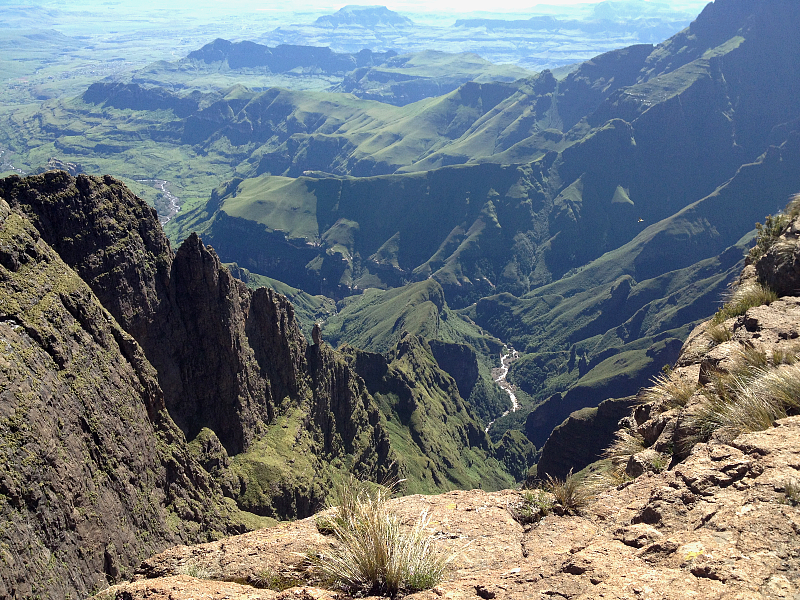
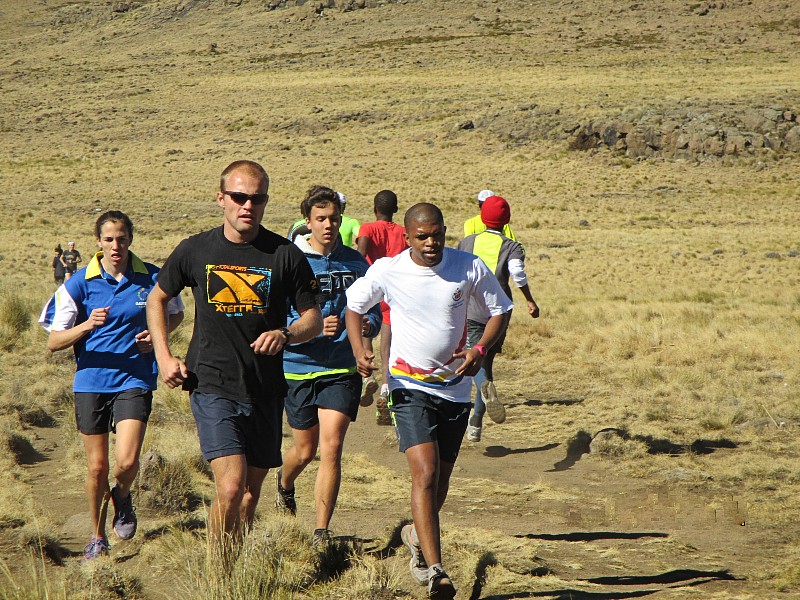
Training on the Drakensberg
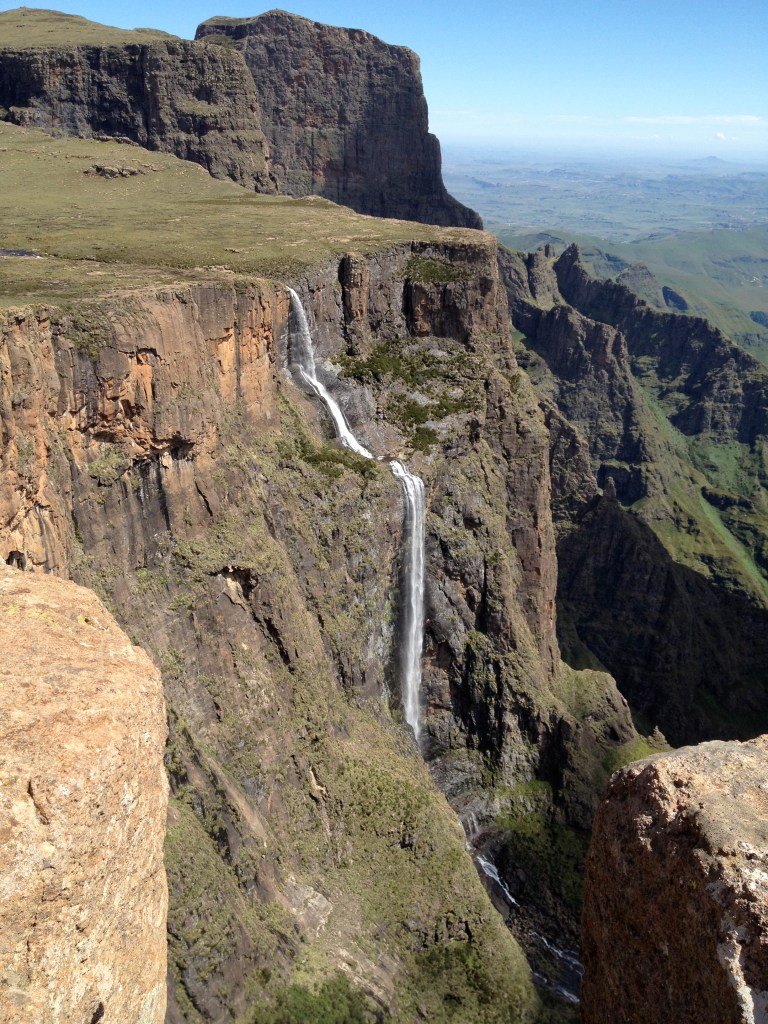
A waterfall in the Drakensberg
Playing around on the Drakensberg
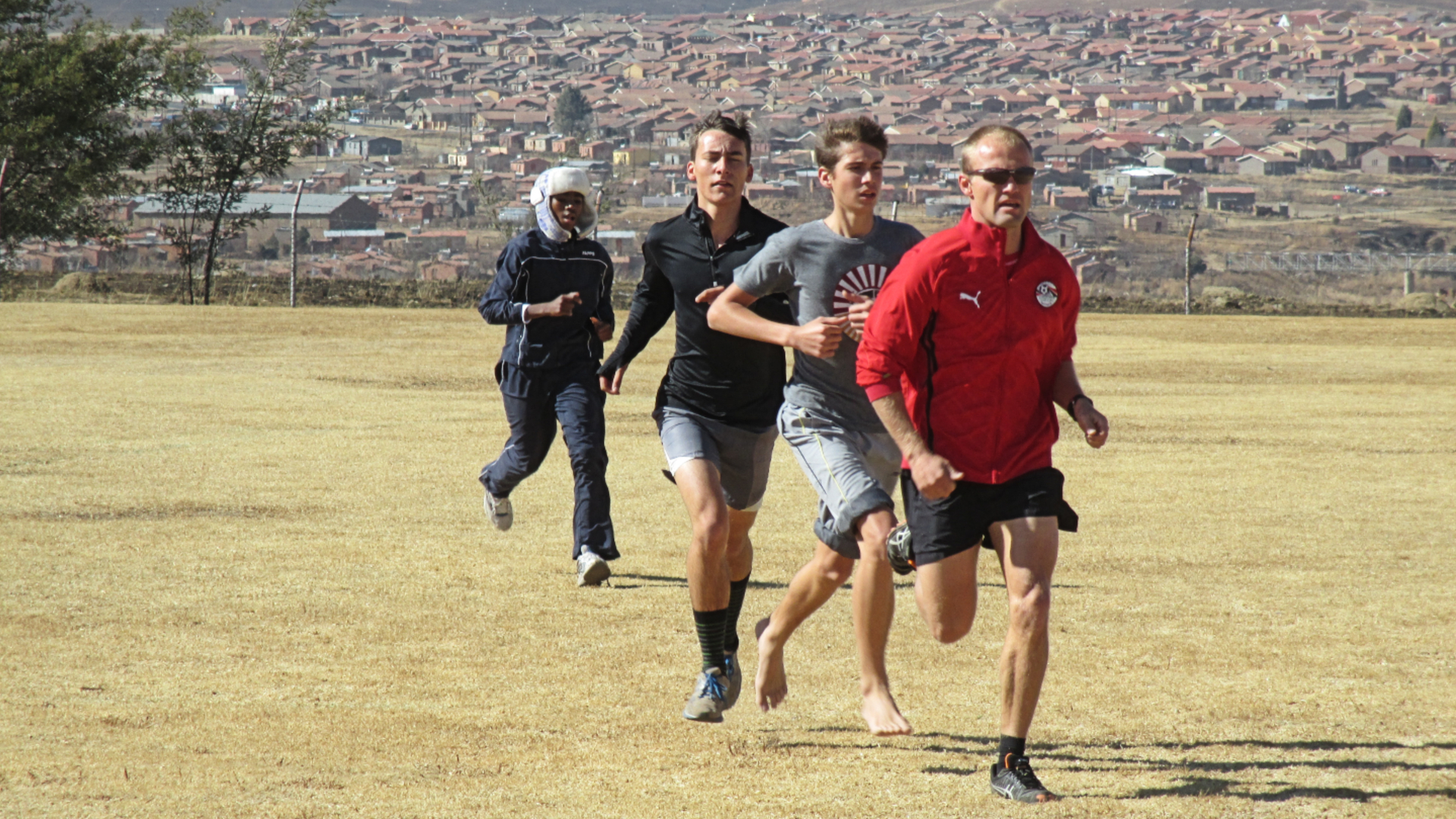
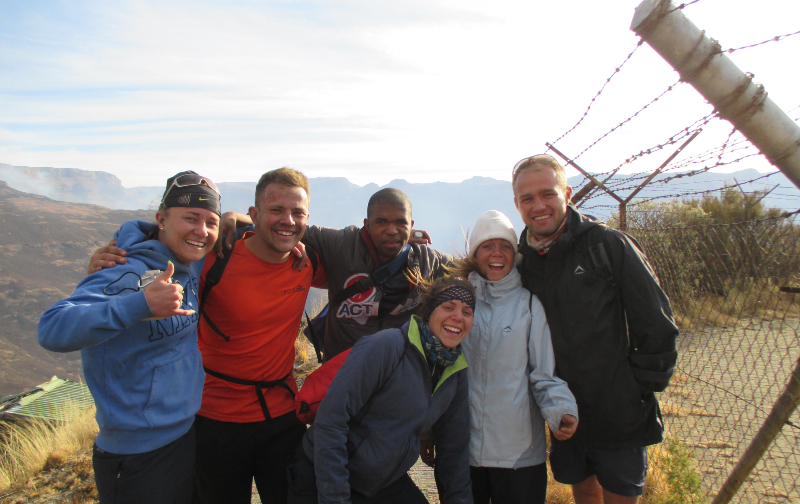
My training friends
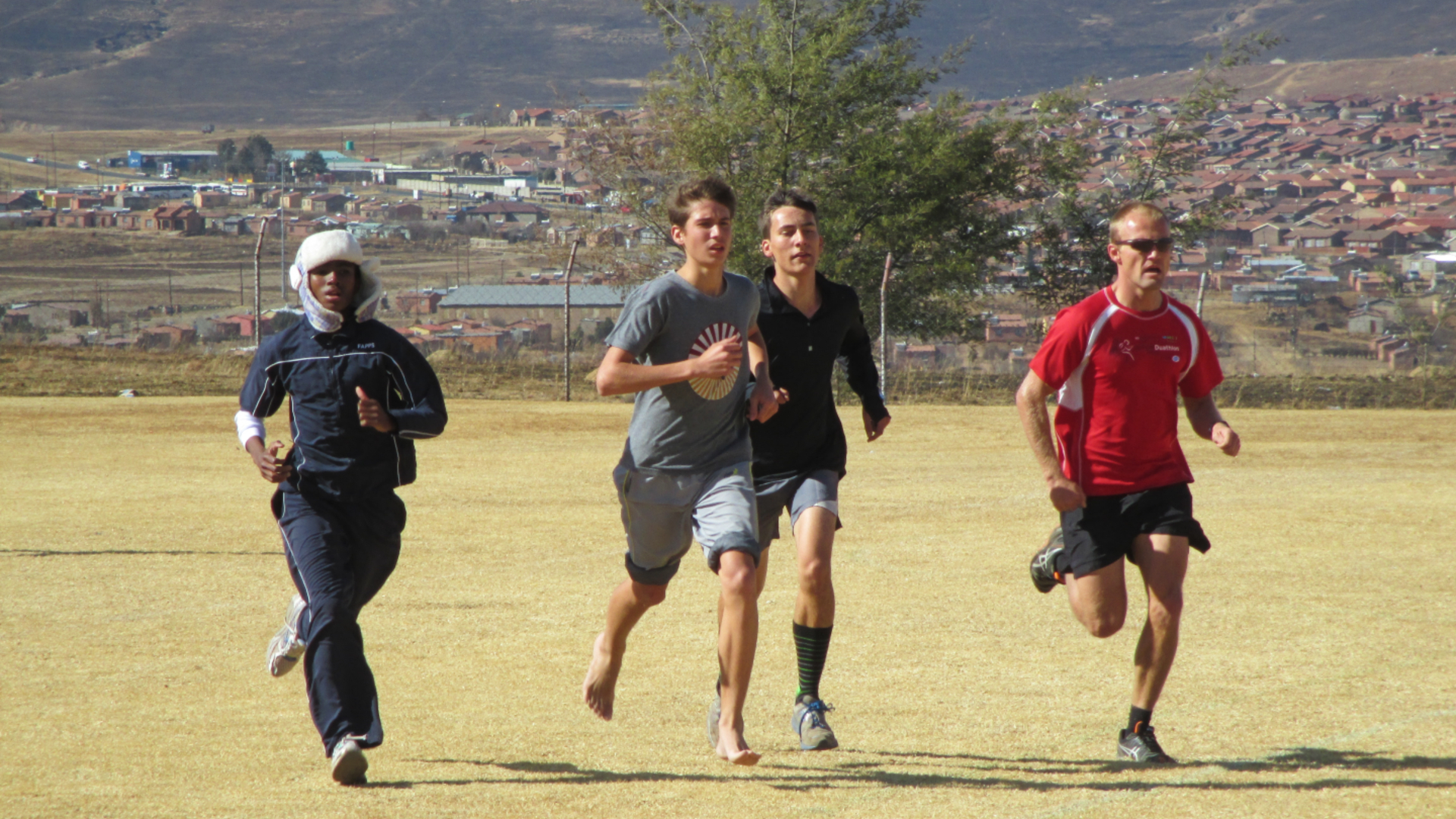
My training friends
Training on the Drakensberg

Month 3:
Now that you’ve built a strong and stable aerobic fitness base, you should start improving your anaerobic (speed and strength) fitness. You will continue to incorporate race-specific training. You should also do your first 21km trail run during this month.

The breakdown of your training program should be as follows:
Aerobic training: 75 % (LSD runs and long hills)
Anaerobic training: 25 % (long intervals and medium hill sprints)

You can improve your anaerobic fitness by increasing the amount of pace/tempo runs you do weekly. You can also start incorporating long interval training runs. During this month your training volume will increase and you should complete between 310 and 340 minutes per week and run 5 times a week. Your training intensity should also increase and your anaerobic runs should fall in Zone 3 and 4.

Day 1: Rest

Day 2: Long intervals on mountainous terrain
Run 1km at the lower end of Zone 4, followed by a 1km run at the lower end of
Zone 2.
Repeat this 4 times.
50-minutes

Day 3: 1km loop with long hills
LSD pace.
Zone 2
Select a long hill (200 m – 400 m) with a gentle gradient of about 5 % and do 8, 1km loops.
50-minutes

Day 4: Pace/tempo training
Run for 10-minutes at the lower end of Zone 3 and then do a 3-minute recovery run in Zone 1.
Repeat this workout twice.
30-minutes stair climbing workout.

Day 5: Rest

Day 6: LSD training
Upper levels of Zone 2 for 30-minutes.
30-minutes stair climbing workout.

Day 7: LSD training
Lower levels of Zone 2
15 – 21km

Month 4 and 5:
During months 4 and 5, your training intensity and volume should reach its highest levels. I recommend starting this month with an active rest week by doing cross training. You should also enter your first and second marathons during these two months.

Marathon running is an endurance sport, aerobic fitness should always take up the biggest percentage of your training time, but it is equally important to improve your speed and power so that your musculoskeletal and pulmonary-vascular systems are able to cope with the stress they will experience during a long endurance race.

The training intensity during these 2 months will vary between Zone 2 to 5, depending on the type of activities you do. Your training volume should be high and you should run between 5 and 6 times a week, completing between 295 and 595 minutes per week.

Day 1: Rest

Day 2: Long fast distance (LFD) run on mountainous terrain.
The upper end of Zone 3.
60-minutes

Day 3: LSD training
Zone 2
40-minutes
Stair climbing workout.
40-minutes

Day 4: Short hills on mountainous terrain.
10-minute warm-up jog in Zone 2.
12 – 15, 60-meter hill sprints. You will sprint up the hill in Zone 5 and jog down in Zone 2.
10 warm-down run in Zone 2.

       OR 

       Short intervals on mountainous terrain.
       10-minute warm-up jog in Zone 2.
       2-minute fast run at the upper end of Zone 4. Followed by a 20-minute slow run in Zone 1.  
       Do a 10 warm-down job in Zone 2.
       The total time for the session should be 60-minutes.    

Day 5: Rest

Day 6: Long intervals
1 km at the lower end of Zone 3 followed by a 1km at the lower end of Zone 2. Repeat this four times.
40-minutes stair climbing workout.

        OR 

        Pace/tempo training.
        Run for 15-minutes at the lower end of Zone 3 and then do a 3-minute recovery run in Zone 1. 
        Repeat this for 40-minutes. 
        40-minutes stair climbing workout

Day 7: LSD training
Lower levels of Zone 2
21 – 55km

Month 6:
During this month you should complete your longest run and then start tapering off your training efforts. Complete a long run, of 50km or more, during the first week of the month and run it at a race pace. I would advise you to run this part of the training program with your running club or friends. This run will also provide you with the ideal opportunity to receive feedback, which will help you determine how your body will react during the race. This feedback can help you plan accordingly as you make final race preparations.

Your training volume should decrease from week 2, but your training intensity should stay the same up until the week before your race. During that last week, both your training volume and intensity should decrease so that you can peak on race day at the Great Wall of China Marathons.

The type of running activities you complete during this month should be similar to those you did during months 4 and 5. The focus of your training during this month should be as race specific as possible. The more you mimic the race conditions, the better your body will cope with those conditions on race day.

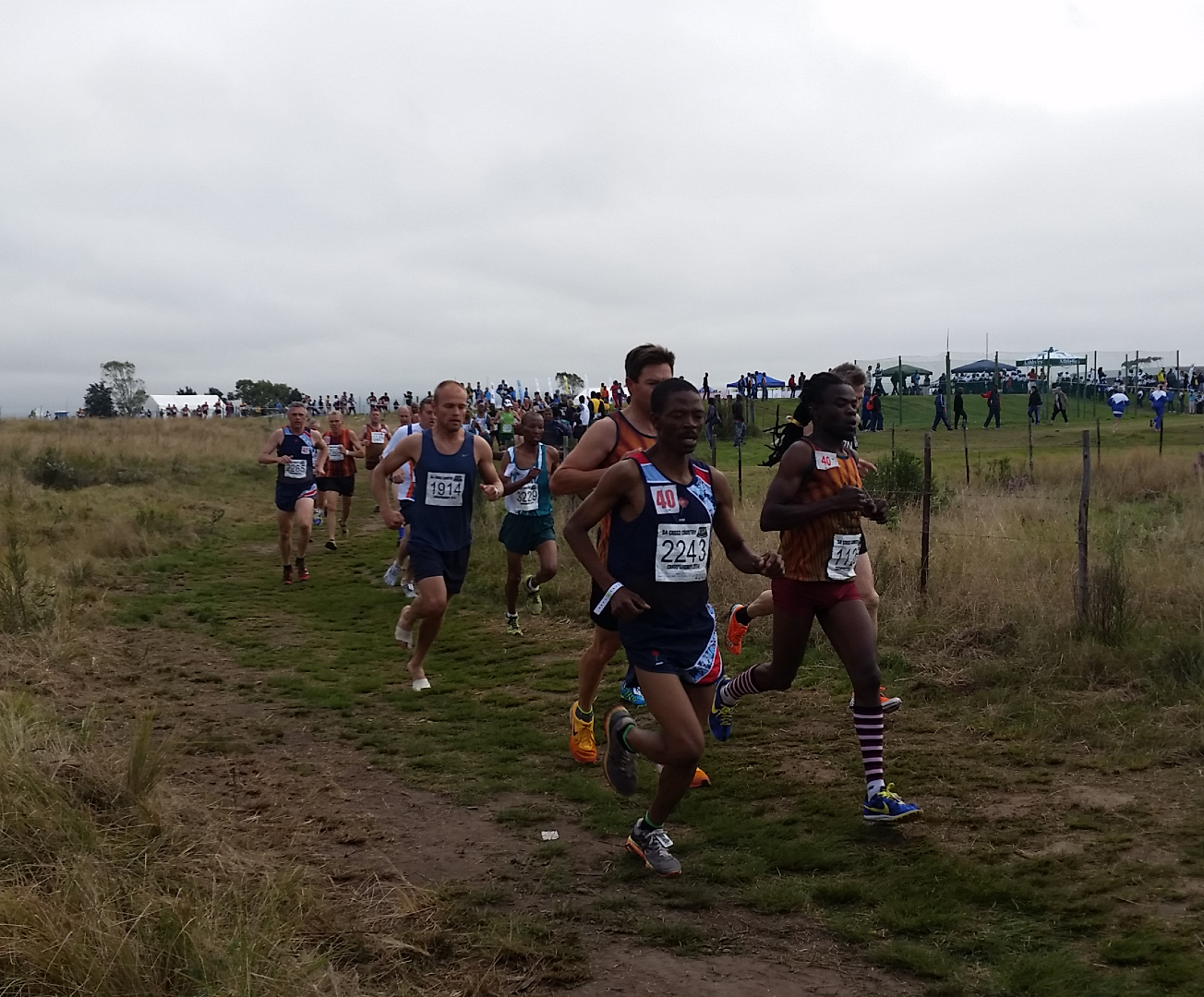
Competition
Competition
Competition
Competition
Competition
Competition

The race
Once you are standing on the starting line, your nerves will be at an all-time high, you will question yourself and wonder if you are ready to finish this race. My advice is to trust your training. If you put in the training hours, and you completed the race-specific training you will finish the race and it will be with a good time.

Now go out there, and start training. The next Great Wall of China Marathon is less than a year away.

Planning for the Great Wall of China Marathon

Traveling to, and competing in events in foreign countries can be very stressful. There are so much research and planning required to organize a trip like this, that it might feel too daunting to even consider it. Writing about my experiences is my way of helping you plan your trips and making the whole experience a lot easier and more enjoyable for you. In this blog, I will help you plan for The Great Wall of China Marathon.

Step 1: Start training

I will cover this extensively in my next blog, but if you are a novice runner or doing your first marathon, start your training 6 months before the event. If you are an experienced and fit runner, start your training 4-5 months before the event.

The Great Wall of China Marathon website is a very basic website that provides links to all the information about the event. Fortunately, from these links, you can get all the information you require to enter and plan your trip. Luckily, the company that’s in charge of race registration is an English company called Active . The entry fee for the 2020 event is CNY 1285. Included in this fee is transportation from the official hotel to the event, a very nice goody bag, a sandwich and water on race day, and a truly beautiful medal. The entry fee for this event is seriously affordable and you will receive good value for your money, just don’t expect world-class race organization and facilities. As an add-on to your registration, the organizing company provides airport pick-up and bookings at their official hotel. 

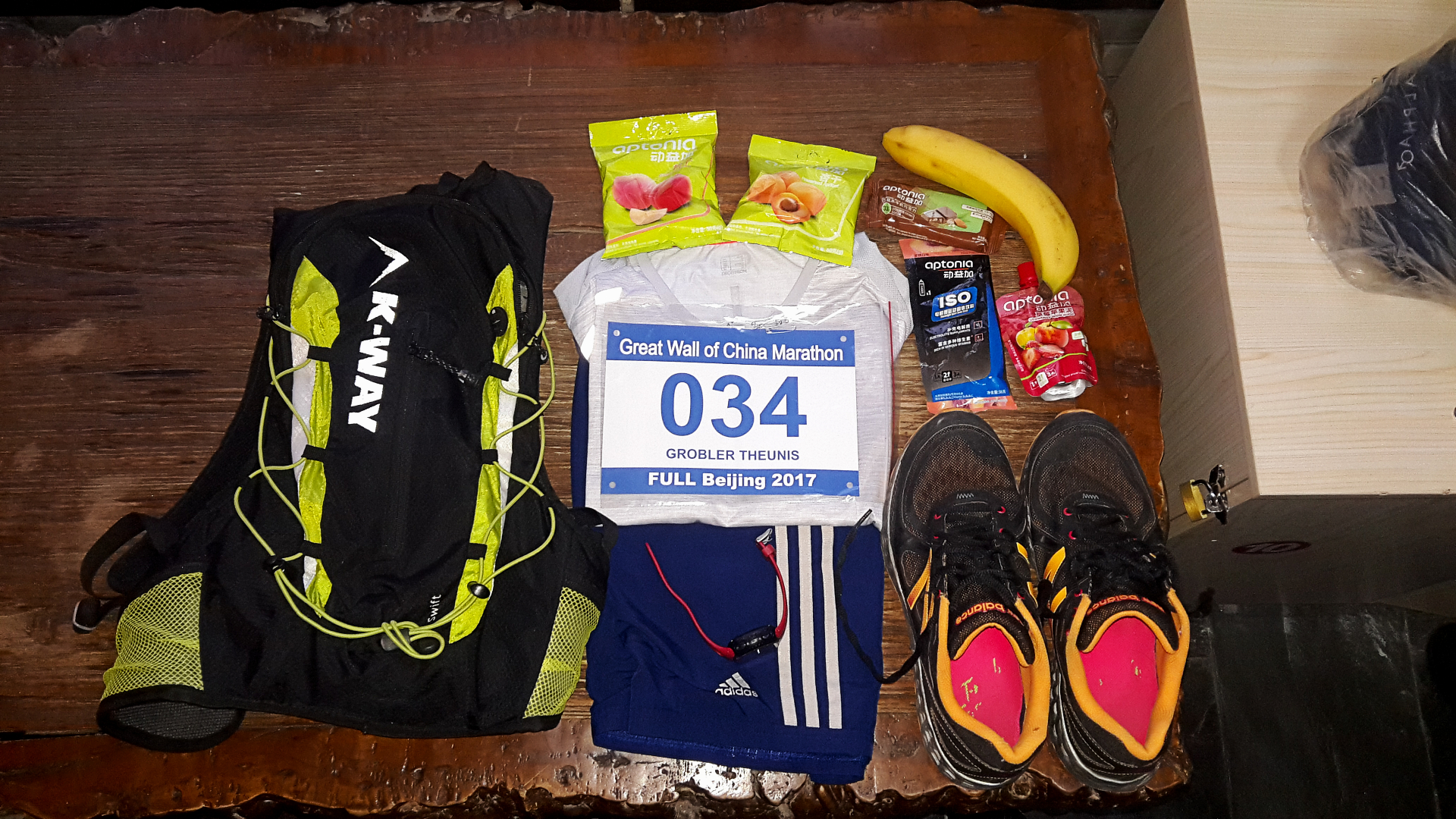
My gear for the race

Step 3: Book your travel tickets and get your visa

If you are traveling from another country you will need a tourist visa. Requirements for your visa application for China differ for each country, but generally, you will need a plane ticket, proof of accommodation, the itinerary for the duration of your stay and an invitation from someone staying in China, in this case, your event entry will suffice.

Step 4: Book your accommodation

I like to stay in hostels when I travel. I love the casual, laid back atmosphere that most hostels offer. Most of the people that opt to stay in hostels are backpackers or people traveling on a budget. Hostels offer a different experience while traveling and I have met the most interesting people while staying in hostels. It is comforting to speak to people, like myself, who are perfectly fine traveling the world, learning about other cultures and making lifelong memories with perfect strangers.

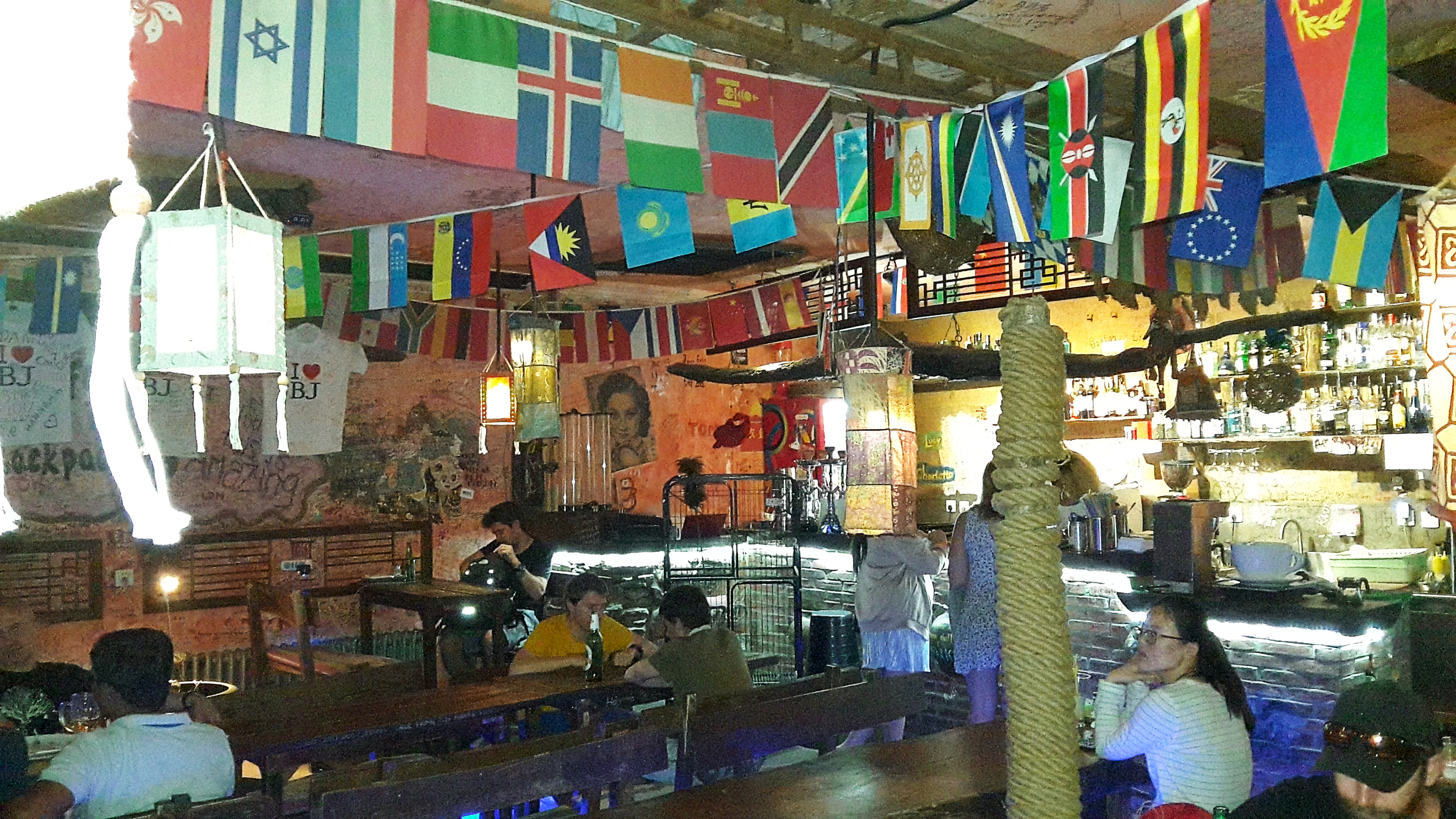
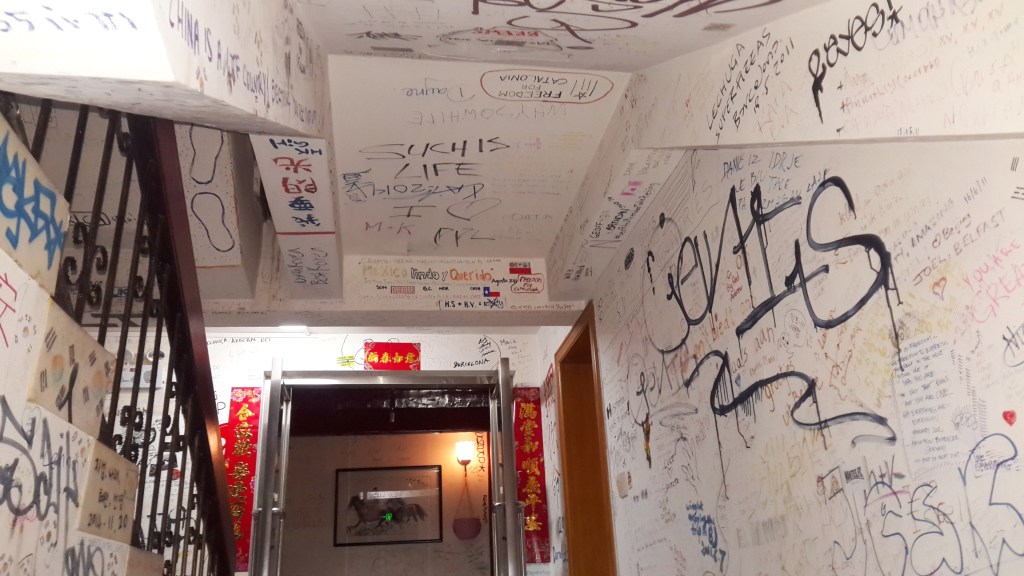
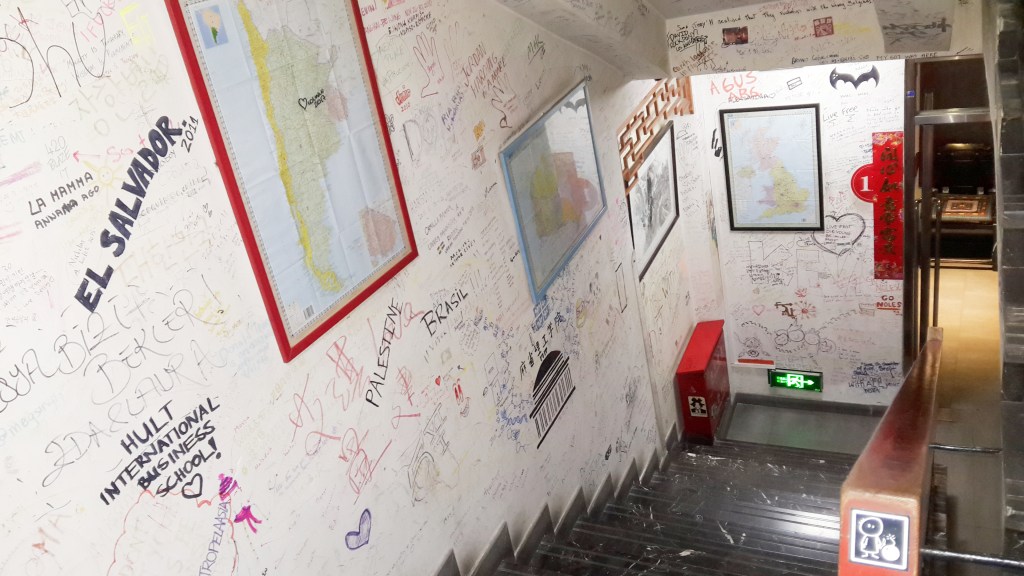
I stayed in a hostel called 365 INN and it is perfectly located on West Street, one of the most famous streets in Beijing. It is such a beautiful hostel, housed in a 150-year-old building and provides the perfect blend of old Chinese architecture, memorabilia left behind from thousands of backpackers and quirky graffiti. 365 INN hostel is famous for its parties, its in-house bar and if you are someone who likes to drink, listen to music and party a lot, this hostel is for you.

If you don’t want to go through the hassle of searching for a hotel or hostel, you can book a room at the organizing company’s official hotel, the Beijing Friendship Hotel. Unfortunately, I do not have any comments about this hotel but it is worth noting that it is a 5-star hotel and should be very comfortable to stay in.

365 Inn Bar
365 Inn Bar
365 Inn Hostel
365 Inn Hostel
365 Inn Hostel
365 Inn Hostel

Step 5: Find transportation to your hotel/hostel

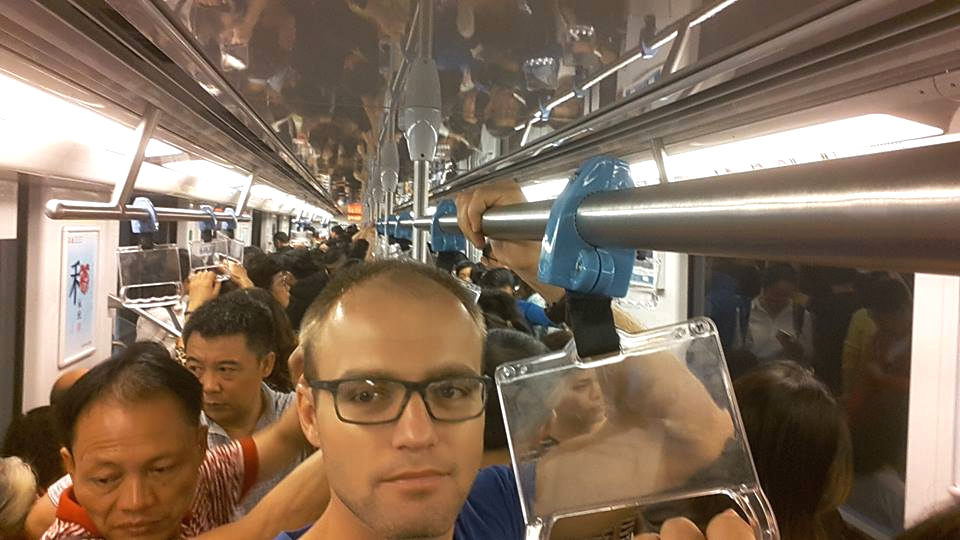
Once you arrive in China there are many ways to get to your hotel/hostel. Taxis are the least stressful but there is a chance that they will overcharge you as foreigners often are. A taxi ride from Beijing Capital International Airport to the city center should cost between CNY 100 – 120, but taxi drivers have been known to charge foreigners up to CNY 600. I opt to take the subway instead. This is super easy to navigate if you are familiar with the Chinese subway systems but can be stressful if it is your first time. So here are some tips when deciding to use the subway as a means of transportation:

Tips for buying a ticket and riding the Beijing subway:

  1. Make sure you know which line to take and at which stop to get off.
  2. Use Google maps or Maps.me to choose the line you need to take and the station you need to get off or transfer at. Unfortunately, you do need a VPN to operate Google maps in China.
  3. Make sure you have Chinese coins.
  4. Get in line to buy your ticket from the electronic ticket machines.
  5. Ignore the Chinese people that do not know the concept of personal space.
  6. Once you get to the machines, look for the English button. All the ticket machines in China have an English function.
  7. Very important. You only need to select your end destination. The ticketing machine will automatically factor in all transfers needed to get you there and will price your trip accordingly.
  8. Pay your fee. This is very cheap and is normally lower than CNY 7.
  9. Follow the signs and get on the train.
  10. There will always be a map printed on the inside of the train. This map shows the line you are on and the stations on that line.

Once you arrive and exit the station, you can use a taxi or bus to get to your hotel/hostel. Most taxi drivers can’t speak English, so make sure you have the name and address of your hotel/hostel written down in Chinese (This can most likely be sourced from the hotel/hostel website). Taxi fares in Beijing start at CNY13 for the first 3km, after that the rate should be calculated at CNY2.3/km. Always ensure that the taxi driver has started the meter to avoid any miscommunication about the price. You will find that taxis in China operate slightly differently from what you are used to.  If the light on the roof is green, it means they are occupied, and a red light means they are unoccupied. This is something that frustrated me with the taxis until I realised how it works. If you travel on a budget you can take a bus which will cost you anywhere from CNY 2 – 3 per trip. Once again Google Maps or Maps.me can help you get on the correctly numbered bus to ensure you reach the correct destination.

If you already live in China then booking a train or airplane ticket is super easy. Visit your Ctrip or Trip Advisor app and follow the easy steps on the app to book your train or domestic flight tickets. I also liked to search on Expedia.com to compare fares. Sometimes you can find great discounts on Expedia.com’s site. I also found a great website that gives you a comprehensive schedule of all the train routes in China. The website is called Travel China Guide and you can book your tickets on the site as well.

Step 6: Go to the athletes briefing

The athlete’s briefing is at the official hotel. At the briefing, all the organisational matters regarding the race and the next day will be communicated to you. Use this trip to the hotel to determine if you have any fellow race runners staying at your hotel/hostel, who you could arrange travel with. This trip to the race briefing will also allow you to estimate what time you need to leave your hotel/hostel the next morning. It is advisable to book a taxi right away to ensure that you won’t be stressed or late on race day.

Step 7: Arrive on time

Make sure you wake up early to give yourself enough time to get to the hotel. Consider adding 30 minutes to the time you think you should wake up. Waking up earlier won’t affect your performance on race day but will allow you to calmly deal with any unforeseen circumstances that may arise.

When you arrive at the hotel, try to keep your mind off the race by talking to people and getting to know your fellow runners. This will help reduce the stress and pre-race nerves you may be feeling. Later, when you see them on the race trail, you can stop and talk to them and it will help reduce the mental fatigue you are feeling.

Step 8: Warm-up and enjoy the race

Make sure you have gone through a proper warm-up routine. It is an early start to the race and your body will be cold. The last thing you want to do is strain or pull a muscle within the first few minutes of the race. If you are a solo runner try to find a warm-up buddy, for the same reason I mentioned earlier, race comradery. Remember that this race is probably a once in a lifetime experience and you need to make as many memories as possible. Meeting new people and listening to their reasons for running the race will make your memories a whole lot better.

Whether you are a competitive runner or social runner, stop and look around. When we run marathons and we start feeling fatigued, we tend to develop a tunnel vision mindset. All we focus on is the road right in front of us and our surroundings disappear. When you run on the Great Wall of China, this is the biggest mistake you can make. It is such a beautiful place that you cannot miss out on the the moment of realising where you are. The race is long and stopping every few kilometers will not negatively affect your time or position, in actual fact, it might just give you the needed recovery time to run a faster race.

Race warm-up
Race warm-up

In conclusion, remember, your mind is a wonderful and powerful thing. No matter how much pain you experience and how much you hate yourself during the race, 20 minutes after the race those feelings will start to disappear and you will only remember the good and wonderful things you experienced. Make sure you enjoy every moment of the trip and the race, the memories will last you a lifetime.

Running the Great Wall of China Marathon

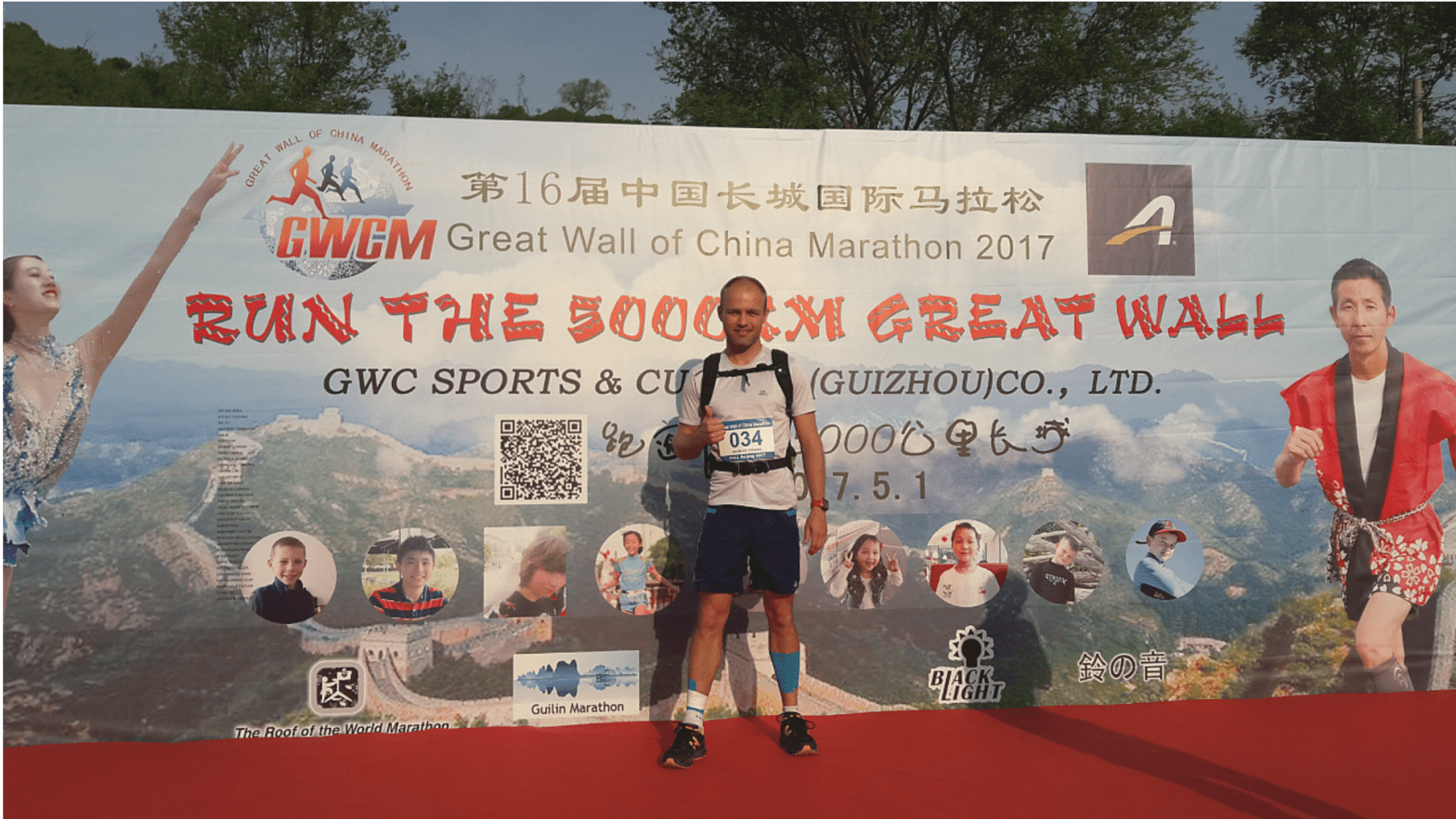
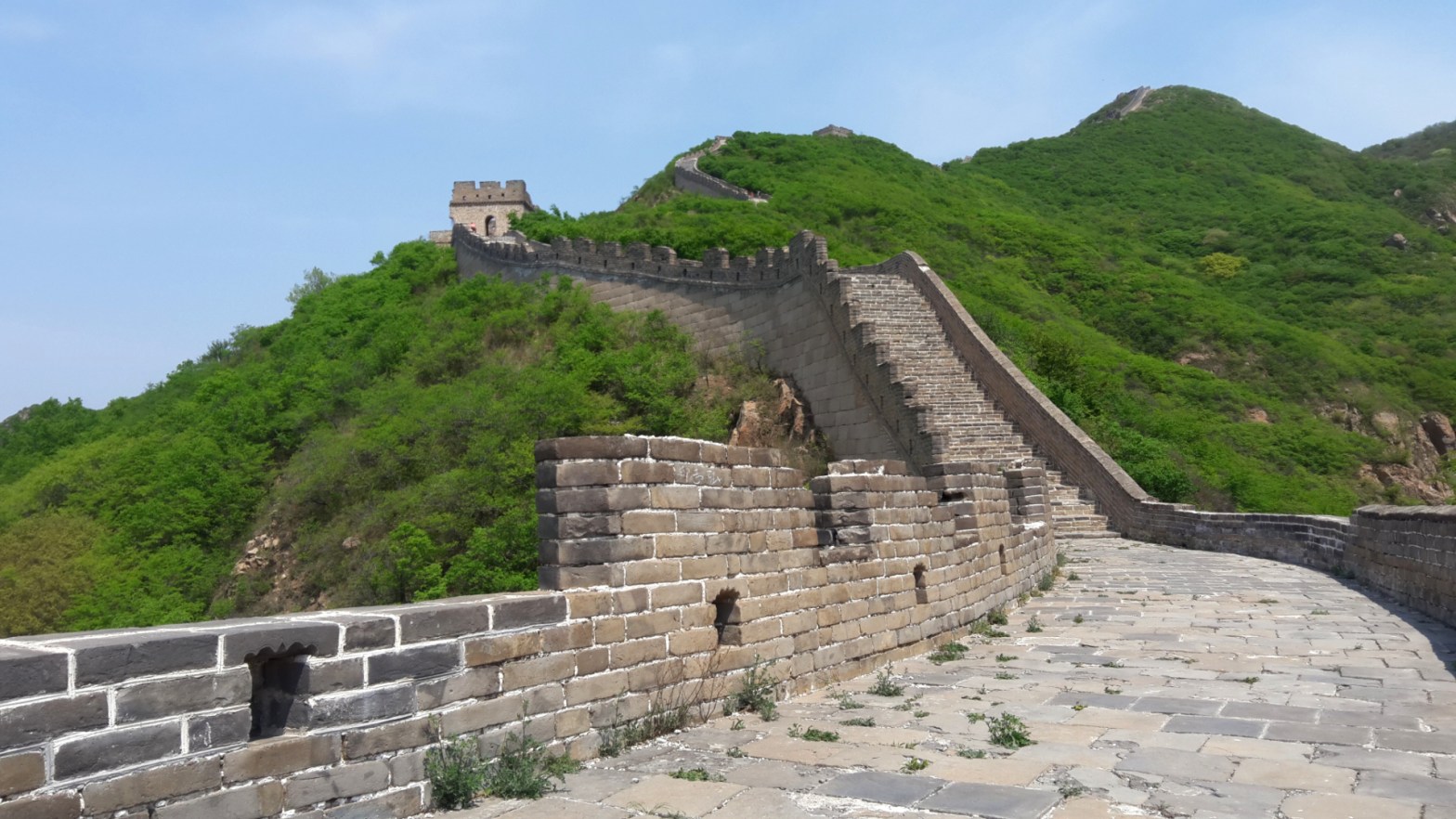
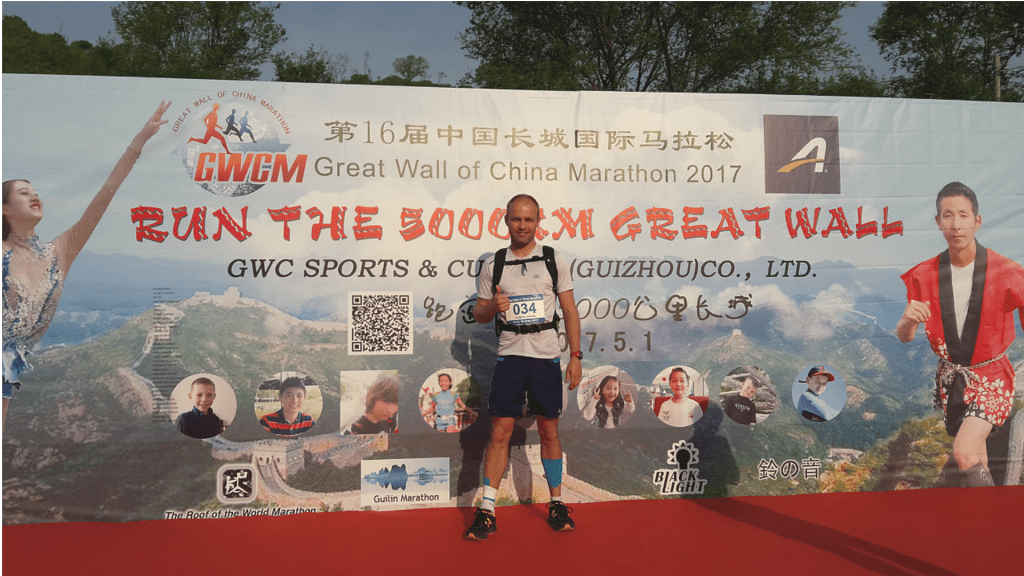
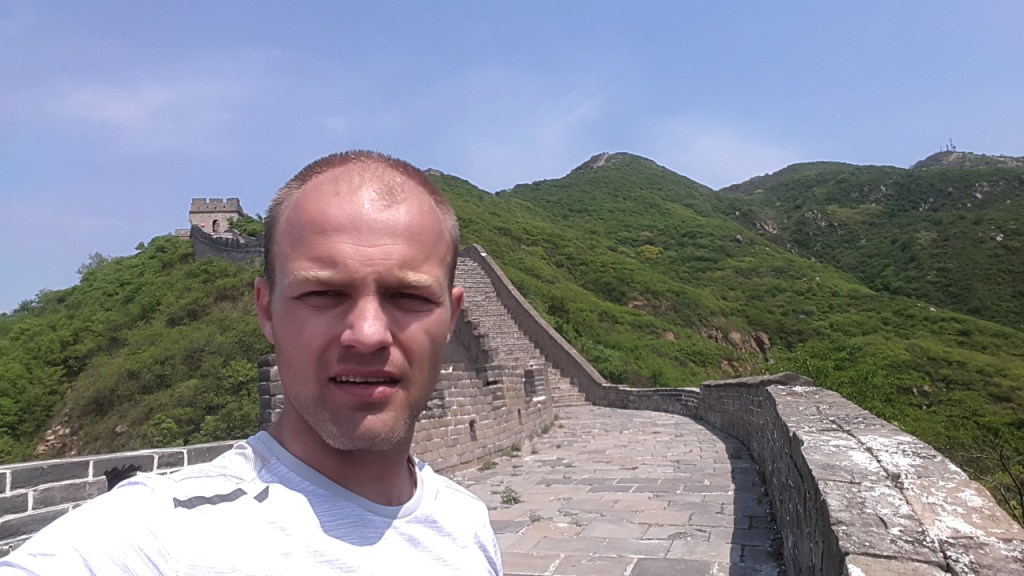
Standing on the Great Wall of China and seeing it stretch over a massive mountain range has me awestruck by its beauty and magnificence. Stretching over 8800 kilometres, it is without a doubt one of the most mind-blowing ancient constructions I have ever seen. I force myself to take it all in, not only because I want to imprint its beauty into my mind, but because I am about to run The Great Wall of China Marathon and I am seriously second guessing my decision to do this race.

There are two Great Wall of China Marathons. The first one is called The Great Wall Marathon and is the more popular one of the two. The race route is not solely on the wall but also takes you through the lower valley and small villages where crowds gather to support and a music festival happens in conjunction with the race, creating a more festive atmosphere. The second race, called The Great Wall of China Marathon is run exclusively on the wall and attracts the running purists like myself and that is why I have chosen to run this race.

The Great Wall of China Marathon

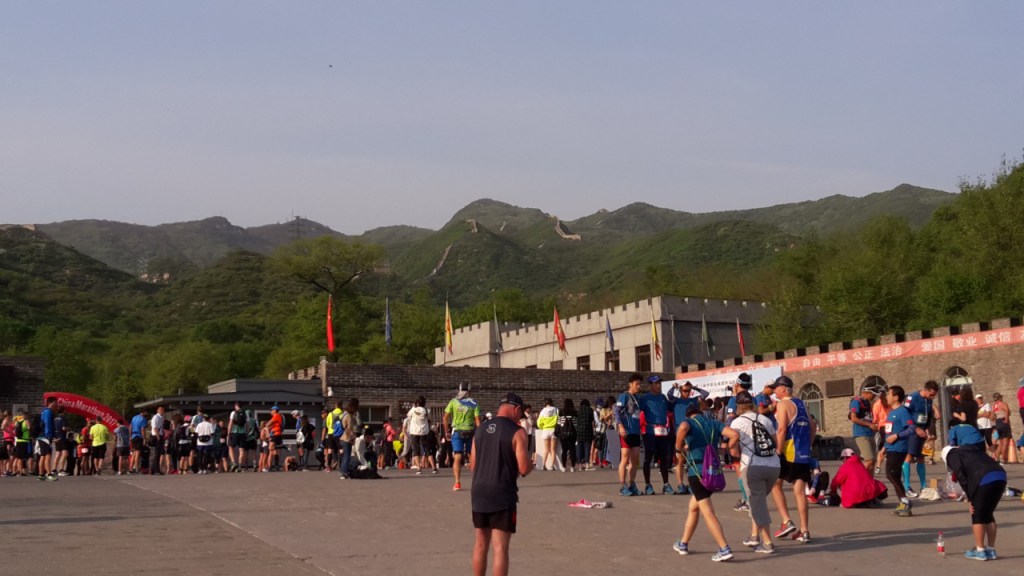
The day started at 4:30 in the hotel lobby. It is a nerve-racking experience sitting here, seeing the tension on all the runner’s faces, not knowing what lies ahead of us. I find that it is always a good idea to try and strike up a conversation with fellow runners to calm the nerves. I did just that and spoke to a lovely lady called Elise from England. She lives in London but works in Hong Kong and she flew in especially to run the marathon. The bus drive to the race village was just under an hour long and I could feel the tension in the bus. Every so often someone would try to start a conversation, but for the most part, the bus trip was a quiet affair. Everyone’s thoughts focused on what’s to come.

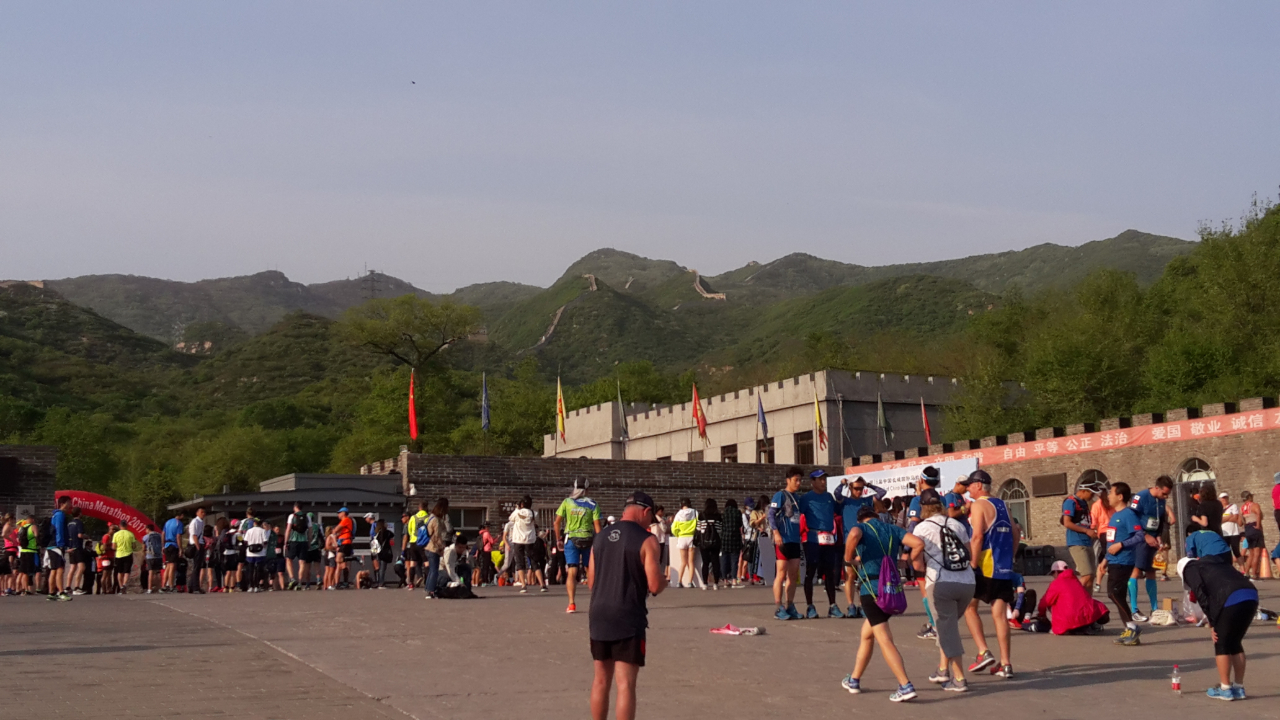
Arriving at the race village I met a man from Norway who I started talking to about the race, we compared our race strategies which really helped settle some of my doubts and fears. Talking to people before the race helps so much with pre-race jitters and stress. It creates a running bond that will pay off during the race as these conversations grant you the opportunity to re-energise your brain and emotions, helping you forget about the pain.

Race Warm-up

I am a competitive athlete and I have to admit that my training for this race, or lack thereof, might not get me the result I know I could achieve with better training. So I have to rely on race experience and the competitive juices flowing through my veins before the gun goes off to get me through the race. The marathon consists of three laps of 12 kilometres each. Runners are required to run 6 kilometres in one direction and switch back another 6 kilometres ensuring that a total of 36 kilometres is covered to complete the marathon.

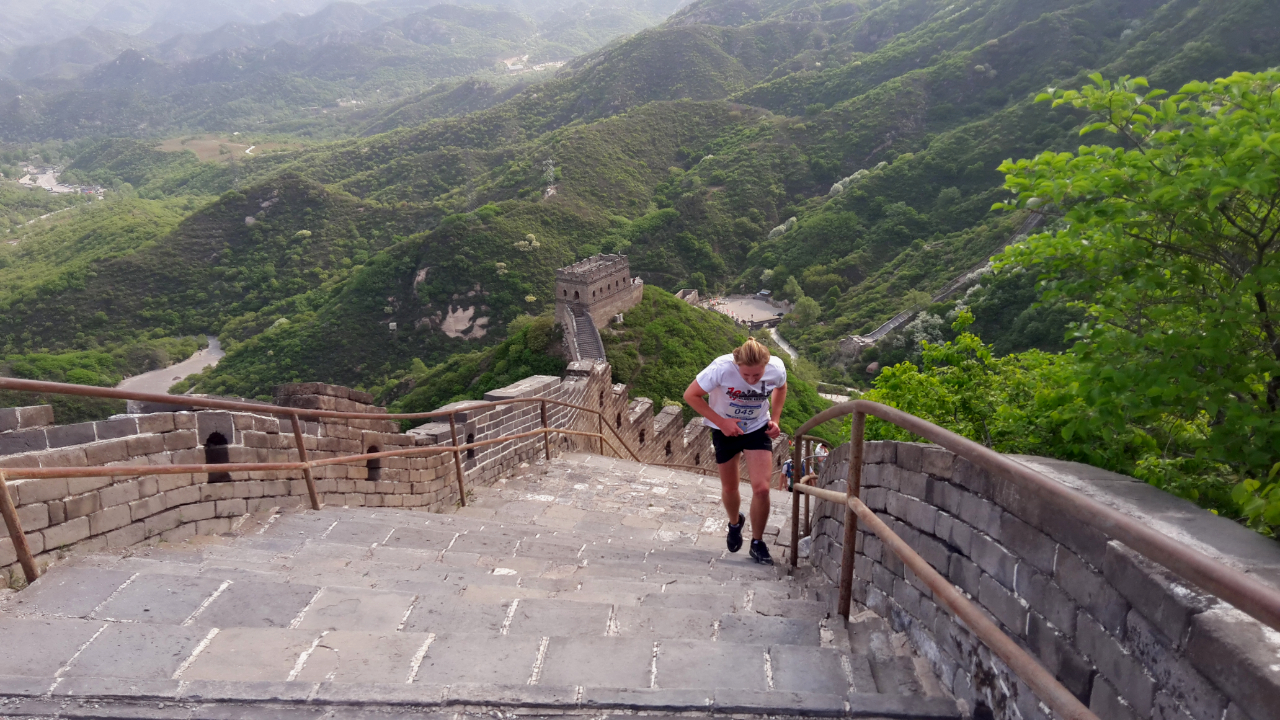
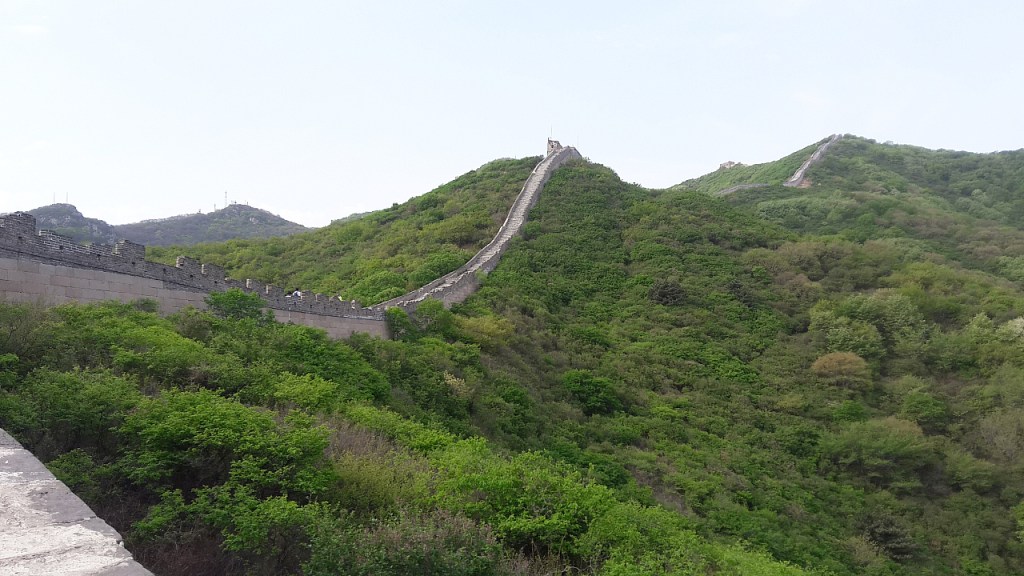
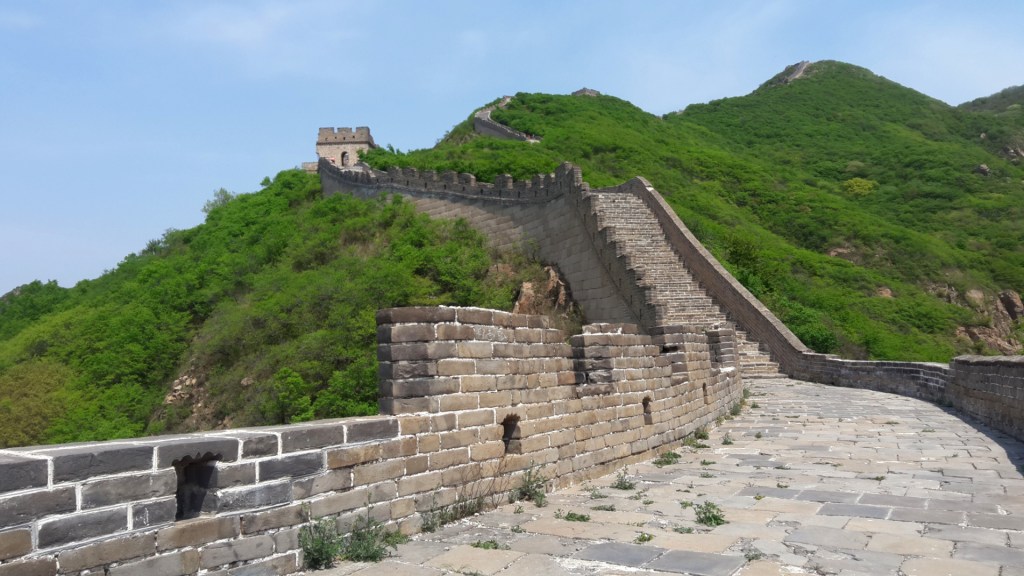
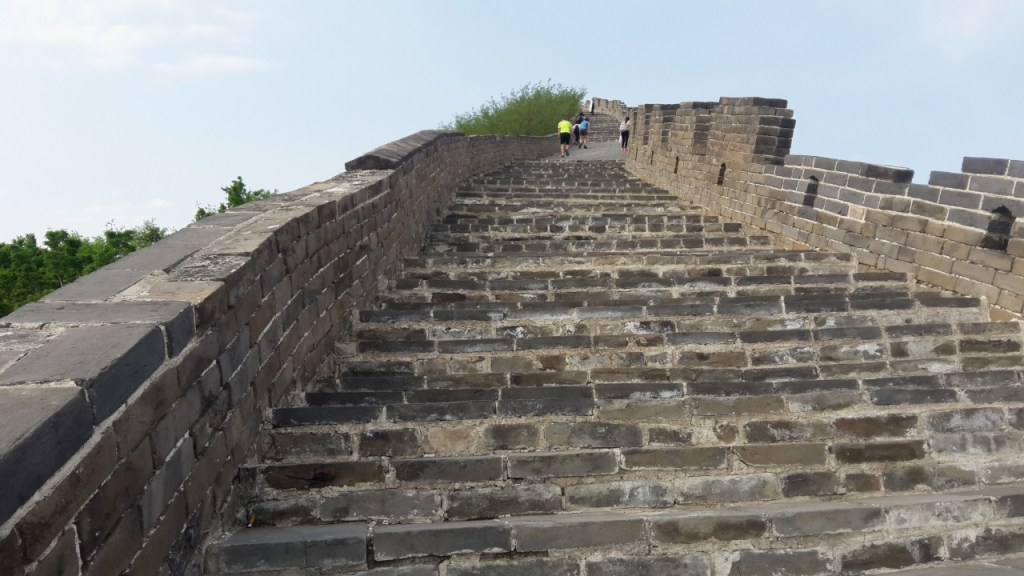
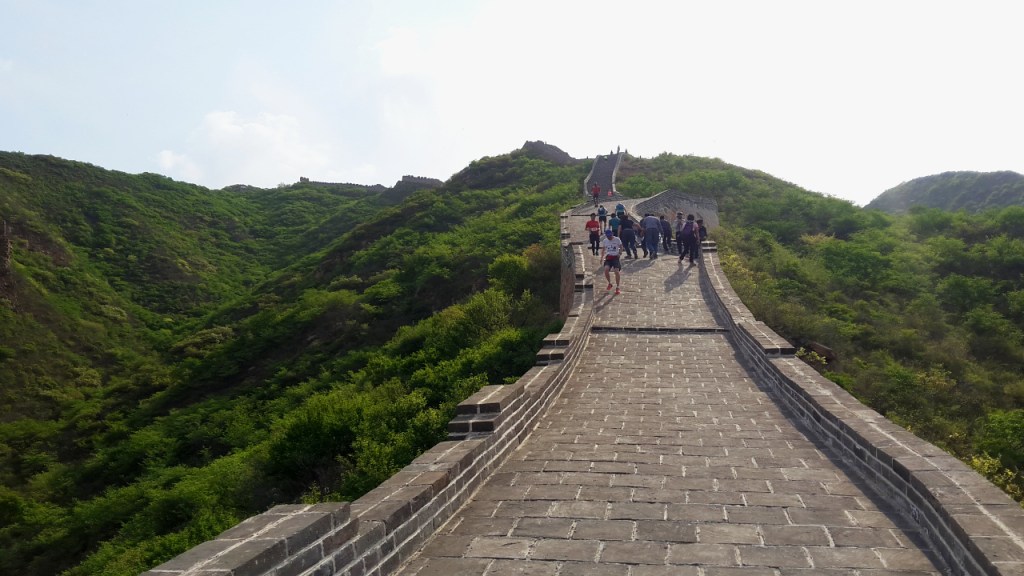
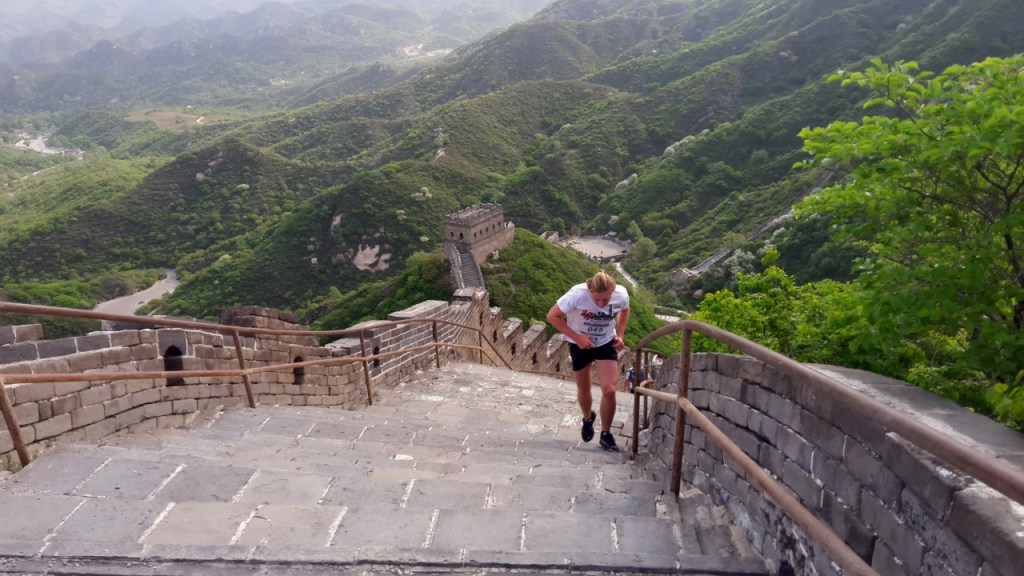
I was ready, the adrenaline was pumping and when I heard the gun go off, I set off at a fast but controlled pace. It was because of this pace that I found myself in the second position when we reached the wall after 1.5 kilometres. Running onto the wall and seeing it for the first time is terrifying. I see the wall draped over the mountain range, going up and down, never a straight section in sight, curling over and around the slopes of the mountain like a huge snake. The most terrifying part of it all was the sheer steepness of the stretches of the wall as they disappear and reappear from my sight. They are so steep that steps are built into the wall in an attempt to make the inclines more bearable for the everyday tourist.

Once on the wall, I was running comfortably and I found myself looking around and taking in the surroundings, so much so, that I almost came to a dead stop. The mountains, trees, streams, and blue skies, all the sounds and just the sheer vastness of this environment were just so astonishing! I had to try and capture the beauty of it all. Pictures sometimes prove to be a poor substitute for the real thing, but even my pictures do manage to showcase the beauty of the nature we were running in.
Nature surrounding the Wall
The Beauty of the Wall
The Steepness of the Wall
The Great Wall of China

The wall itself is a magnificent feature. Guard towers built every few hundred meters, crafted in the ancient Chinese architectural style, showcasing all of the dynasty’s brilliance. It is easy to see how these guard towers provided the perfect lookout point to ancient Chinese soldiers guarding the wall. In an instant, the gruelling race pulls my focus back to the narrow steps and I concentrate once again on carefully placing my feet, step by step to conquer yet another incline. As the race becomes tougher, I still managed to reach the turnaround mark in second place. Knowing the nature of the beast that is marathon running I had to admit to myself that I started out this race way too fast and had a long and hard day ahead. My legs showed signs of cramping and I forced myself to slow down. I knew that I needed to distract my focus from the pain. That wouldn’t be too difficult considering where I was and sure enough as I looked up to take in some more of my beautiful surroundings, I passed Elise on my way back. We stopped for a quick chat and talking to her distracted me from the race and the pain I was feeling and motivated me to keep on pushing and finish the race.

Mentally I was feeling confident, my legs were not. After reaching the turn to yet another switch back and heading out to continue my race, I started to wonder whether it is possible to finish this race. I thought to myself that if I have completed the Comrades Marathon, an 89-kilometre road race four times then surely I would make it to the end of this marathon too. Reaching the 15-kilometre mark of this race, it felt like I had already run 50 kilometres. I knew that at this stage of the race my biggest battle to overcome would be the one I was starting to have with my mind. When pain starts shooting up your legs each time you take a step or you are struggling to get enough oxygen into your lungs, you start asking yourself those age-old questions: Why am I doing this to myself? Why am I putting myself through this pain? Why am I allowing my body to be destroyed like this?

As I started to feel the exhausting effect of this race on my body, the more frequent these questions became in my mind. It was at this stage of the race that I knew I needed to engage my will power.

Aware of my slower pace at this stage of the race and seeing other runners close the gap between us, I was hit by the realisation that I had dropped back to ninth place. To tell you the truth, race position was not important anymore. All I wanted to do was put one foot in front of the other and try to complete the race. Heading back to start lap number three I looked up and saw the Norwegian man had also caught up to me and we ran together for a few kilometres. This once again helped a tremendous amount, and I felt the motivation return to me. Unfortunately, I was too tired and my legs were cramping so much that I could barely run anymore.

My running friend from Norway
Me struggling

With 2 kilometres to go before the end of the second lap, I was mentally and physically drained. I knew I needed to do some fact checking in my mind: I had run the first lap in 2 hours 20 minutes and I was already close to 4 hours on my second lap. That’s more than 6 and a half hours to complete two laps. According to my now slower race pace, it would mean that trying to run the third lap and completing the race would take me well over 11 hours. I knew I wouldn’t be able to do that and made the decision to end my race on completion of my current lap. Unable to attempt the third lap left me feeling deflated, to say the least. My mind played back all the hours and hours of training, money spent on entering and travelling to compete in the race but mostly having all those hopes and dreams of finishing, and not being able to, was a very tough reality for me. Needless to say, a few tears were shed but I knew that I wouldn’t be able to finish the race and that it was the toughest yet best decision to make.

After reading this and hearing about my experience you might ask yourself why in heaven’s name would I ever want to do such an event? My answer is simple. It is because of the excitement and fear and pain that you should do it. The sense of accomplishment you get from pushing your body to its absolute limit and still being able to go on and finish an event is next to nothing. There are few things in this world that can give you that level of satisfaction, pride, and accomplishment. The human brain is an amazing thing. During the race, you will promise yourself that you will never do this again, that you will never put yourself through so much pain again. A day or two after the race, you can hardly remember the pain and the bad thoughts. All you will be able to remember is the experience of running on The Great Wall of China! Seeing nature in all its glory and having been able to push your body further than you thought possible. Soon enough you’ll once again hear that little voice in your head asking, “When will our next adventure begin?”

I can admit that there are a lot of things I did wrong leading up to this race as well as on the race itself. I can truly say that I have learned from them and in my next blog post I will talk about these mistakes and how to overcome them in preparation for my next adventure. I will also discuss the training needed, to successfully complete races like this. I will also include a complete breakdown of planning the trip to Beijing, where to register for the race, everything about the organizing company and the procedure to follow the morning of the race should this be the next adventure that you choose to take yourself on.

I hope you enjoyed reading about my experience running the Great Wall of China Marathon and if you are thinking of doing something so bold please don’t hesitate to ask me anything in the comment section below. I am more than happy to help. Also, subscribe to my e-mail service and receive a notification when I post my next blog.

Design a site like this with WordPress.com
Get started